
Image stabilized binoculars have become increasingly popular among bird watchers, hunters, fishermen, boaters, and professionals who depend on clear long-range observation.
By reducing unwanted image movement, these advanced optics make it easier to view distant subjects, track motion, and maintain a steady image in challenging environments.
As more people explore image stabilization technology, questions naturally arise about how it works, what makes it different from conventional binoculars, and whether the benefits justify the investment.
Here are answers to ten of the most common questions about image stabilized binoculars.
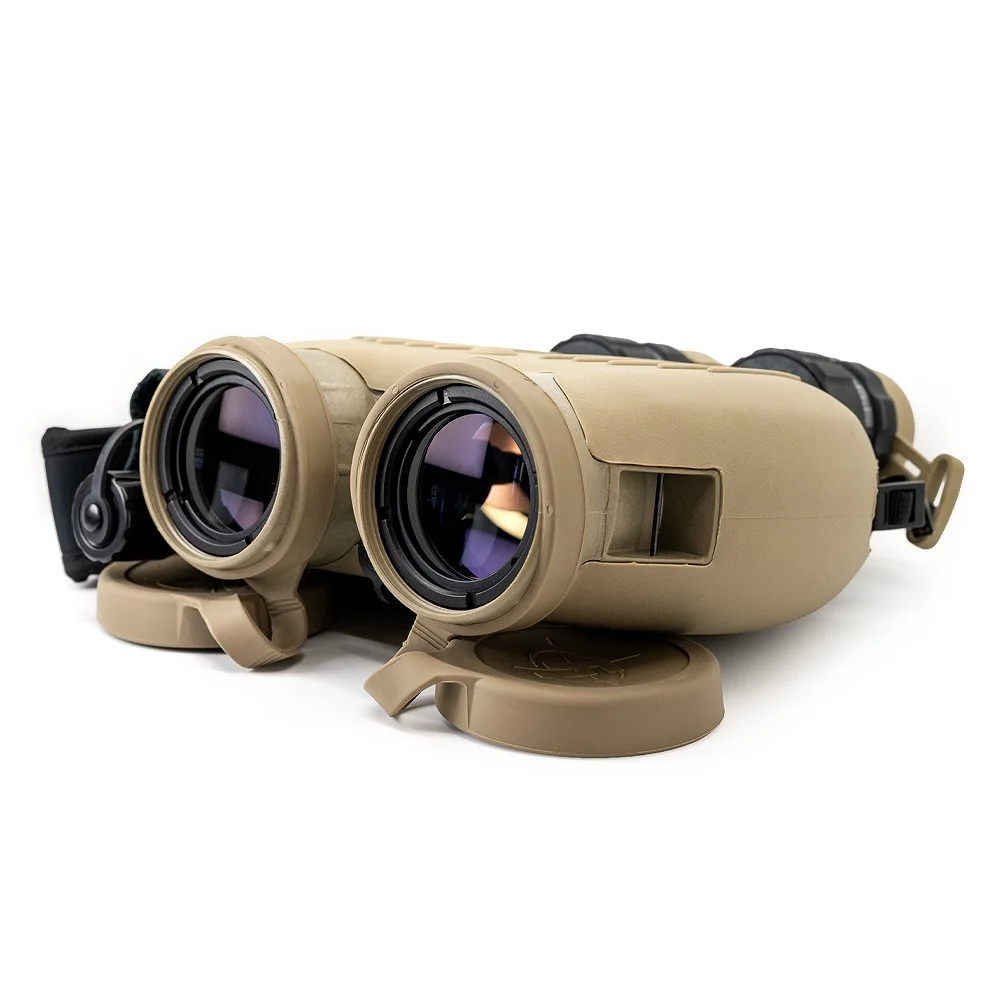
1. What Are Image Stabilized Binoculars?
Image stabilized binoculars are optical devices equipped with technology that compensates for unwanted movement caused by hand tremors, vibration, and environmental motion.
Traditional binoculars magnify both the subject and the visible effects of movement. Image stabilization helps counteract that motion, producing a steadier view that makes distant details easier to observe.
Different manufacturers use mechanical, optical, or electronically controlled stabilization systems. While the technology varies, the goal remains the same: provide a clearer, more usable image during handheld observation.
2. How Do Image Stabilized Binoculars Work?
Image stabilized binoculars use internal mechanisms to compensate for movement before it significantly affects the image reaching the viewer.
Some systems use electronic sensors and movable optical elements to detect and correct motion. Others rely on mechanical stabilization, including gyroscopes that help maintain the orientation of optical components as the binocular housing moves.
Gyro-stabilized binoculars use the principle of angular momentum. A rapidly spinning gyroscope resists changes in orientation, allowing the optical assembly to remain relatively stable even when the binocular housing moves.
This technology is especially useful in environments where movement comes from multiple sources, such as aboard boats, aircraft, and vehicles.

3. Are Image Stabilized Binoculars Better Than Regular Binoculars?
Image stabilized binoculars can provide significant advantages when image movement affects viewing quality.
At higher magnifications, even small hand movements become more noticeable. Stabilization reduces that movement, making it easier to identify distant details and follow moving subjects.
For users who regularly observe wildlife, scan open water, or conduct long-range observation, this can improve the overall viewing experience.
However, optical quality, field of view, weight, durability, and intended use remain important considerations. A high-quality conventional binocular may still be an excellent choice for applications where portability, simplicity, or lower magnification is preferred.
4. Do Image Stabilized Binoculars Work on Boats?
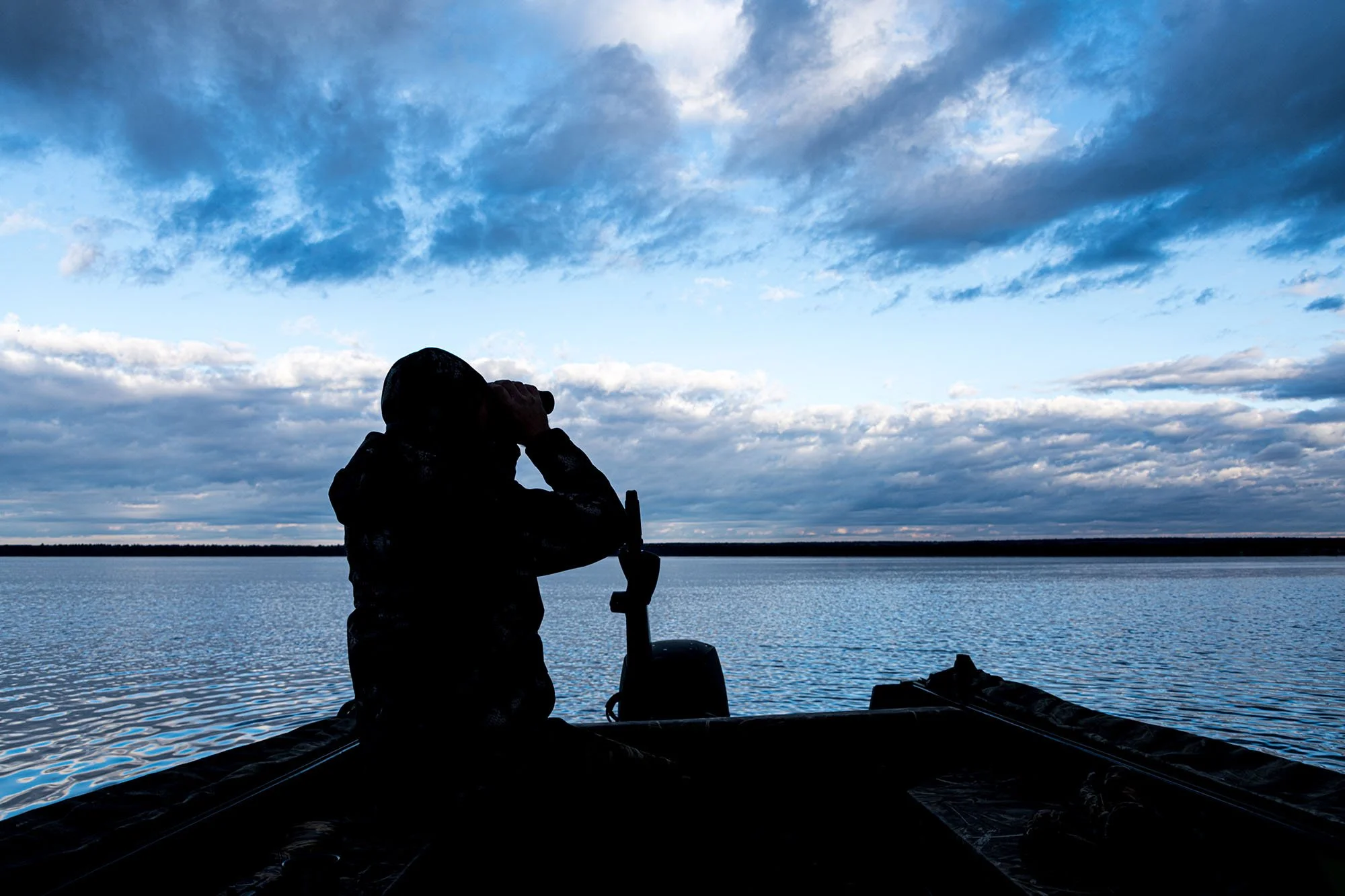
Yes. Marine observation is one of the most practical applications for image stabilized binoculars.
Boats introduce movement from waves, engine vibration, wind, and changes in direction. These forces can make it difficult to maintain a clear image through conventional high-powered binoculars.
Gyro-stabilized systems are particularly well suited to these conditions because they compensate for movement while the observer remains on an unstable platform.
Marine stabilized binoculars can help boaters identify distant vessels, locate navigation markers, observe shorelines, and monitor activity across open water. They are also valuable for offshore fishing, yacht cruising, maritime patrol, and professional marine observation.
5. What Magnification Is Best for Image Stabilized Binoculars?
The ideal magnification depends on viewing distance, field of view, and the intended application.
Lower magnifications, such as 7x or 8x, generally provide a wider field of view and make it easier to locate moving subjects. Higher magnifications, such as 12x or 14x, bring distant objects closer but make image movement more noticeable.
Image stabilization makes higher magnifications more practical for handheld use.
For example, the S250 Gyro-Stabilized Binoculars combine 14x magnification with advanced stabilization technology that reduces up to 98% of image motion.
This allows users to take greater advantage of long-range magnification while maintaining a steadier image.
6. Can Image Stabilized Binoculars Be Used Without a Tripod?
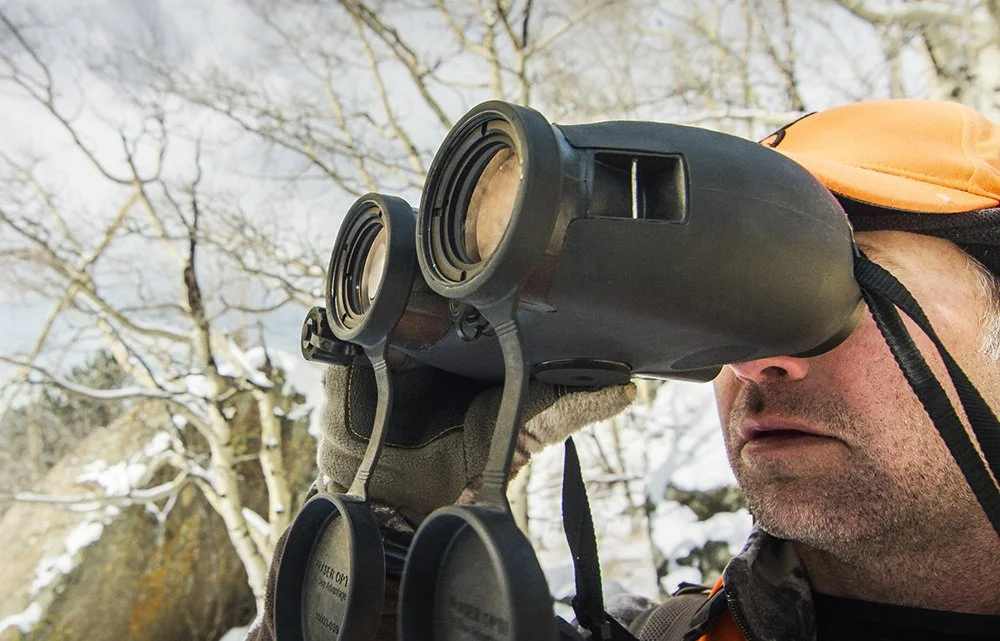
Yes. One of the primary advantages of image stabilized binoculars is their ability to provide steady handheld viewing.
Traditional high-powered binoculars can become difficult to hold steady as magnification increases. A tripod provides stability but also requires additional equipment and limits mobility.
Image stabilization reduces the need for external support during many observation tasks.
This is particularly useful for hunters moving between observation points, bird watchers tracking birds in flight, and boaters scanning changing conditions across open water.
Tripods remain valuable for fixed observation positions and extended viewing sessions, but stabilized binoculars provide greater flexibility when mobility is important.
7. Are Image Stabilized Binoculars Good for Bird Watching and Hunting?
Yes. Both activities benefit from the ability to maintain a steady image while observing distant or moving subjects.
Bird watchers often need to identify subtle details such as wing patterns, beak shape, plumage, and flight characteristics. Stabilization helps keep birds in view while they move through trees, across open landscapes, or over water.
Hunters use binoculars to locate game, study terrain, monitor movement, and evaluate animals before making decisions. A stable image can help identify whitetail, elk, mule deer, moose, pronghorn, and smaller game across greater distances.
For both activities, stabilization can also make extended observation more comfortable by reducing constant image movement.
8. Do Image Stabilized Binoculars Require Batteries?
Most modern image stabilized binoculars require a power source to operate their stabilization systems.
Electronic stabilization typically relies on batteries to power sensors and internal correction mechanisms. Powered gyro-stabilized systems use electricity to operate the gyroscope and associated components. Battery life varies considerably depending on the technology, model, and operating conditions.
Some professional systems also offer external power connections for extended operation. The S250, for example, provides up to 12 hours of continuous operation using a single CR123 battery and supports external power through its built-in regulator.
When comparing stabilized binoculars, battery availability, operating time, and power options are important considerations, particularly for extended trips or professional use.
9. Are Image Stabilized Binoculars Worth the Cost?
The value of image stabilized binoculars depends largely on how frequently they are used and the conditions in which observation takes place.
For occasional viewing at short distances, conventional binoculars may provide everything the user needs. For frequent long-range observation, high-magnification viewing, or use aboard moving platforms, stabilization can offer meaningful benefits. A steadier image can help users identify details more efficiently, follow moving subjects, and reduce visual fatigue during extended sessions.
Professional users may place additional value on rugged construction, reliable stabilization, and performance in demanding environments. The most important consideration is whether image movement regularly limits the effectiveness of the binoculars being used.
10. What Should You Look for When Buying Image Stabilized Binoculars?
Choosing image stabilized binoculars involves evaluating the complete optical system rather than focusing on stabilization alone.
Important features include:
Stabilization technology: Mechanical gyro stabilization or electronically controlled optical stabilization
Magnification: The level of detail available at the intended viewing distance
Field of view: How much of the surrounding area is visible through the binoculars
Optical quality: Resolution, coatings, and light transmission
Durability: Waterproofing, shock resistance, and environmental protection
Power requirements: Battery life, battery type, and external power options
Size and weight: Comfort and practicality during extended handheld use
The right combination depends on whether the binoculars will be used for marine observation, hunting, fishing, bird watching, surveillance, or other long-range applications.
Understanding the Advantages of Image Stabilization
Image stabilized binoculars provide a practical solution to one of the most common challenges in long-range observation: unwanted image movement.
By compensating for hand tremor, vibration, and platform motion, stabilization allows users to take greater advantage of magnification while maintaining a clearer, steadier view.
Whether observing wildlife, scanning distant terrain, navigating open water, or conducting professional surveillance, understanding the available stabilization technologies can help buyers select binoculars suited to their needs.
For those interested in professional-grade gyro stabilization, the S250 Gyro-Stabilized Binoculars provide an example of how military-proven technology can support demanding civilian and professional observation applications.