
Gyro-Stabilized vs. Electronic Image Stabilized Binoculars: What's the Difference?
"Image stabilized binoculars" describes a broad category of binoculars designed to reduce the visible effects of hand movement, vibration, and other motion.
Gyro-stabilized binoculars fall within this category, but they accomplish stabilization differently from many electronic image stabilized systems.
Both technologies share the same fundamental goal: create a steadier image so the user can take greater advantage of magnification. The differences are found in how the stabilization system responds to movement, the environments it is designed for, and the applications it serves.
Understanding those differences can help users select the right type of stabilized binoculars for everything from bird watching and hunting to marine observation and professional surveillance.
Why Binoculars Need Image Stabilization
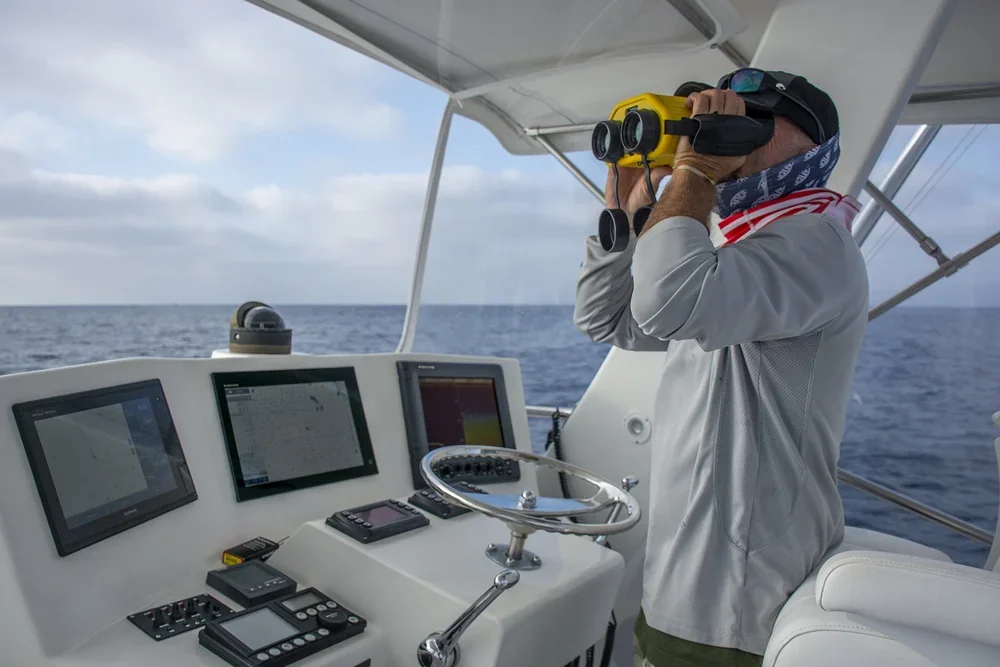
Every pair of handheld binoculars moves during use. Natural hand tremor, breathing, wind, and body movement all contribute. On a boat, aircraft, or vehicle, vibration and platform movement add another layer.
Magnification makes this motion more apparent. As magnification increases, small movements can translate into substantial image movement through the eyepieces. This can make it harder to identify fine details, follow moving subjects, and comfortably observe for extended periods.
Image stabilization compensates for some of this motion before it reaches the viewer.
How Electronic Image Stabilized Binoculars Work
Electronic image stabilized binoculars typically use sensors to detect movement and an electronically controlled optical mechanism to compensate for it. The exact design varies between manufacturers. Some systems adjust lenses or prisms, while others use different movable optical components.
When the binoculars detect movement, the stabilization system makes rapid corrections intended to keep the image aligned with the observer's field of view.
Electronic stabilization can work particularly well for everyday handheld viewing. Bird watching, wildlife observation, sightseeing, sporting events, and other recreational applications can all benefit from reducing normal hand movement, especially at higher magnifications.
These systems are available in a wide range of sizes, stabilization designs, and price points, so their capabilities can vary considerably.
How Gyro-Stabilized Binoculars Work
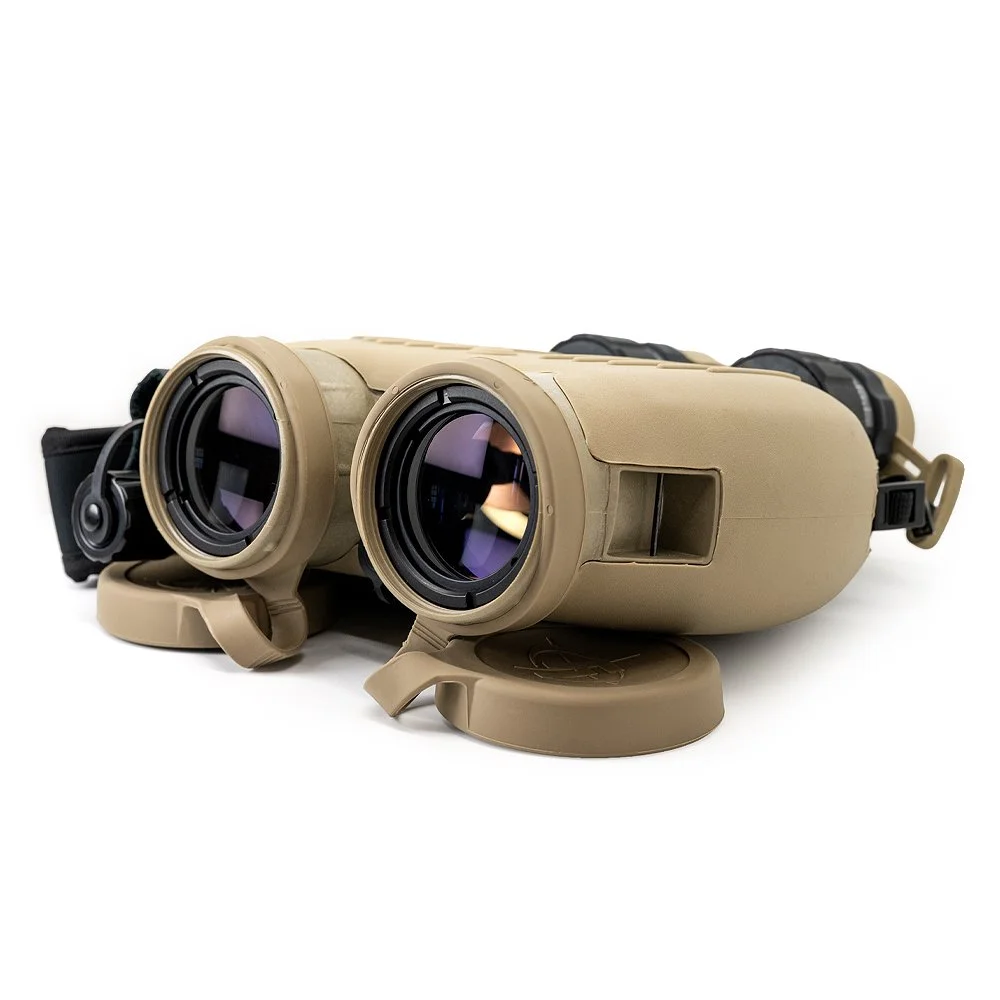
Gyro-stabilized binoculars use a mechanical gyroscope as part of the stabilization system.
A gyroscope uses a rapidly spinning mass that resists changes in orientation because of angular momentum. In a gyro-stabilized binocular system, that physical principle is used to help maintain the orientation of the optical components while the binocular housing moves around them.
This approach can compensate for both movement from the person holding the binoculars and motion originating from the platform itself.
For example, an observer aboard a boat may experience hand tremor, engine vibration, wind, and the larger movement created by waves at the same time. Gyro stabilization is designed to maintain a usable image through this combination of movements.
Where the Difference Becomes Important
For casual handheld observation on stable ground, different forms of image stabilization can provide meaningful improvements. The distinction becomes increasingly important as the viewing environment becomes more dynamic.
Consider the difference between watching a bird from a stationary overlook and tracking a distant vessel from a boat traveling through rough water. Both involve handheld binoculars, but the amount and type of movement affecting the optics are very different.
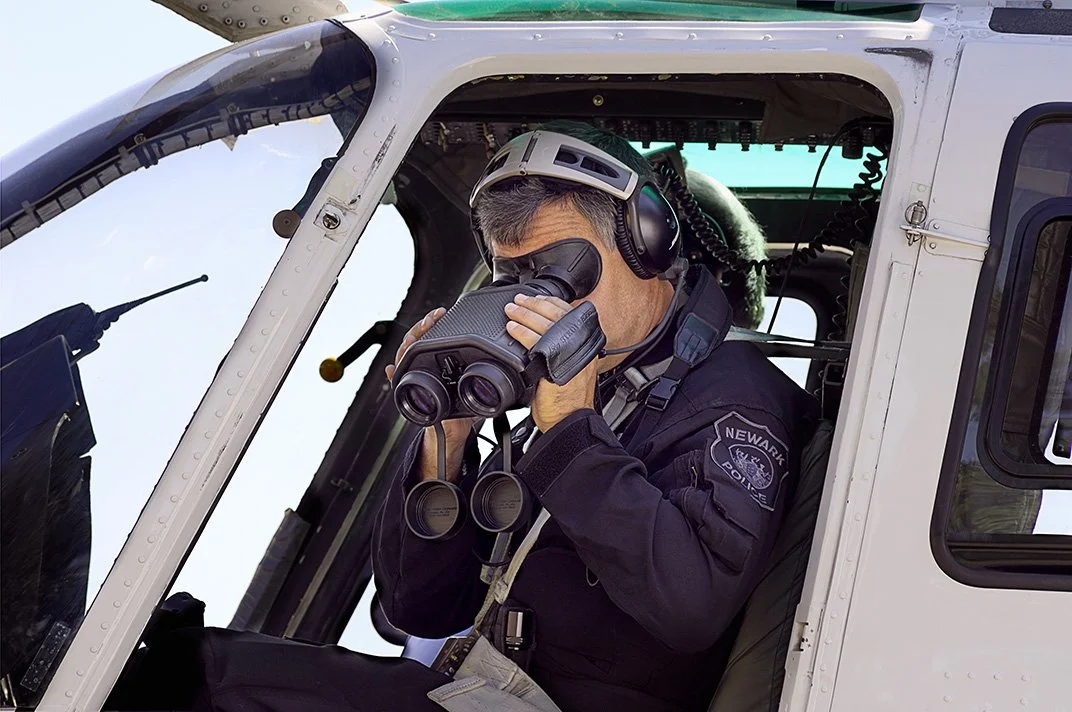
Gyro-stabilized systems have a long history in demanding applications involving unstable platforms, including:
Marine and offshore observation
Aircraft and vehicle-based viewing
Search and rescue operations
Professional surveillance
Long-range wildlife observation
They can also be useful for fishing, hunting, and bird watching when high magnification and image stability are priorities.
Comparing Gyro and Electronic Stabilization
There is no single stabilization technology that fits every binocular user. Intended use is the more important consideration.
Electronic image stabilized binoculars can provide a practical combination of stabilization and portability for recreational users primarily concerned with normal handheld shake.
Gyro-stabilized binoculars are particularly suited to situations involving substantial vibration, platform movement, high magnification, or demanding professional environments. They are generally designed around stabilization performance and rugged use rather than maximum compactness.
The best choice therefore depends on where the binoculars will be used, how much movement they must compensate for, and how important a stable long-range image is to the observer.
Where the S250 Fits
The S250 is an example of a mechanical gyro-stabilized binocular. Its STEDI-EYE® technology is designed to eliminate up to 98% of image motion while providing 14x magnification.
The system is based on stabilization technology developed for demanding professional and military applications. That makes the S250 particularly relevant to moving-platform observation, including boats, vehicles, aircraft, and other environments where vibration and movement can make conventional high-powered binoculars difficult to use effectively.
The same stabilization also has applications on stable ground, particularly when users want high-powered handheld observation without relying on a tripod.

Choosing the Right Stabilized Binoculars
When comparing image stabilized binoculars, magnification should be only one part of the decision. Buyers should also consider the type of stabilization, stabilization range, optical quality, field of view, durability, environmental sealing, power requirements, weight, and intended viewing environment.
A birder walking through a local park may have very different requirements from a captain scanning miles of open water. A hunter observing distant terrain may prioritize different characteristics than a search and rescue team working from a helicopter or rescue vessel.
Both gyro-stabilized and electronic image stabilized binoculars address the fundamental problem of unwanted image movement. Understanding how each technology accomplishes that task makes it easier to choose optics based on the conditions in which they will actually be used.