
Choosing the right optics for long-range observation often comes down to two options: image stabilized binoculars and spotting scopes.
Both are designed to bring distant subjects into clearer view, but they offer different advantages depending on the environment, viewing distance, and how the equipment will be used.
Hunters, bird watchers, wildlife observers, marine professionals, and outdoor enthusiasts regularly depend on these tools to identify distant objects and study fine details. Understanding how magnification, image stabilization, portability, and field of view affect performance can help determine which option is better suited to a particular application.
Understanding the Difference Between Binoculars and Spotting Scopes
Binoculars use two optical channels, allowing observers to view distant subjects with both eyes. They are generally designed for handheld use, making them convenient for scanning landscapes, tracking moving objects, and switching quickly between observation points.
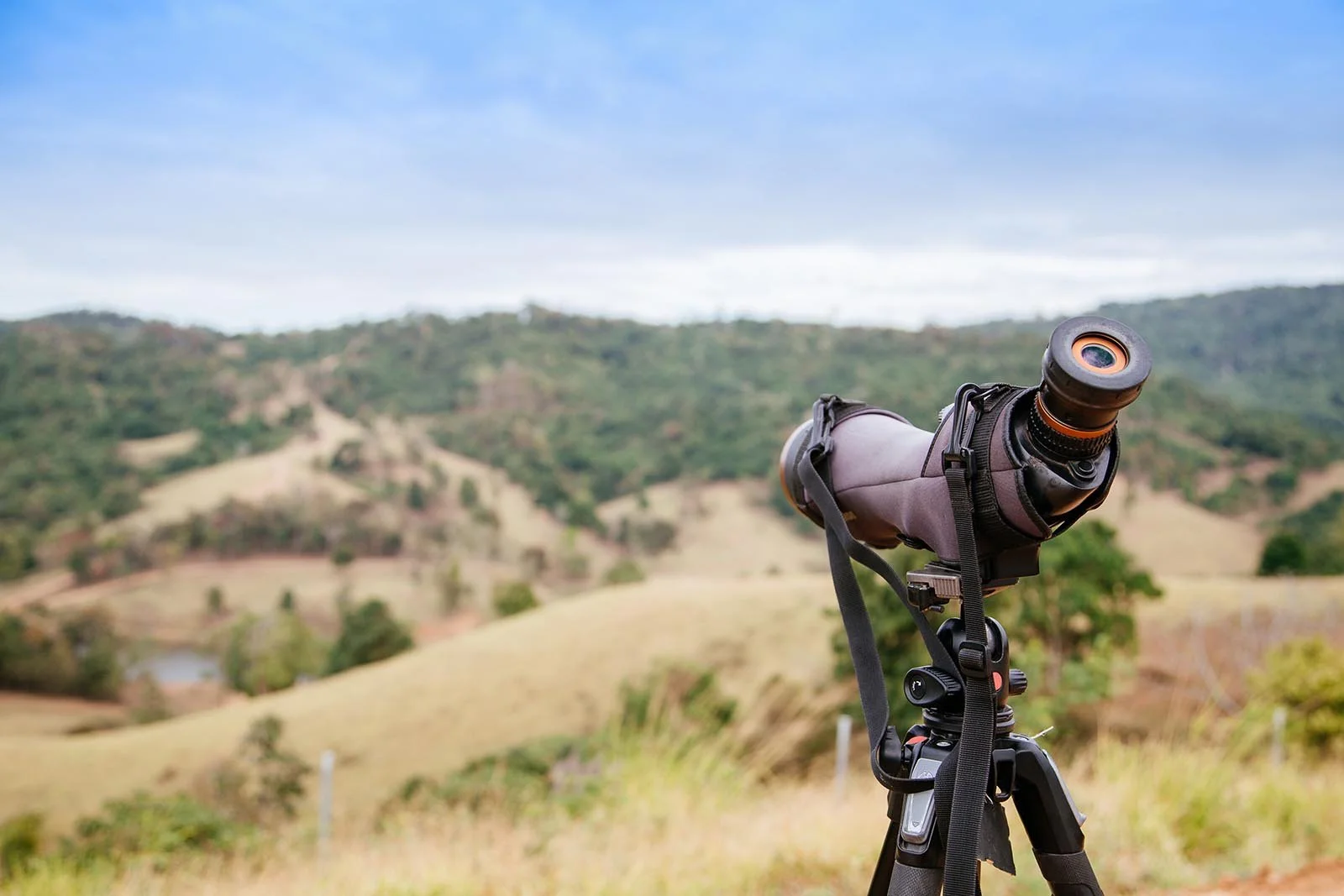
Spotting scopes typically use a single optical channel and offer substantially higher magnification. Many models feature adjustable magnification ranges, such as 20x to 60x, making them useful for examining fine details at considerable distances.
The increased magnification of spotting scopes also makes them more sensitive to movement. For this reason, they are commonly mounted on tripods to maintain a stable image.
Image stabilized binoculars address movement through internal stabilization technology, allowing users to maintain a steadier handheld view at higher magnifications.
Magnification and Long-Range Viewing
Magnification is one of the most important differences between binoculars and spotting scopes.
Traditional handheld binoculars commonly offer magnifications between 7x and 12x. Image stabilized models can make higher magnifications more practical by reducing the visible effects of hand tremor and environmental movement.
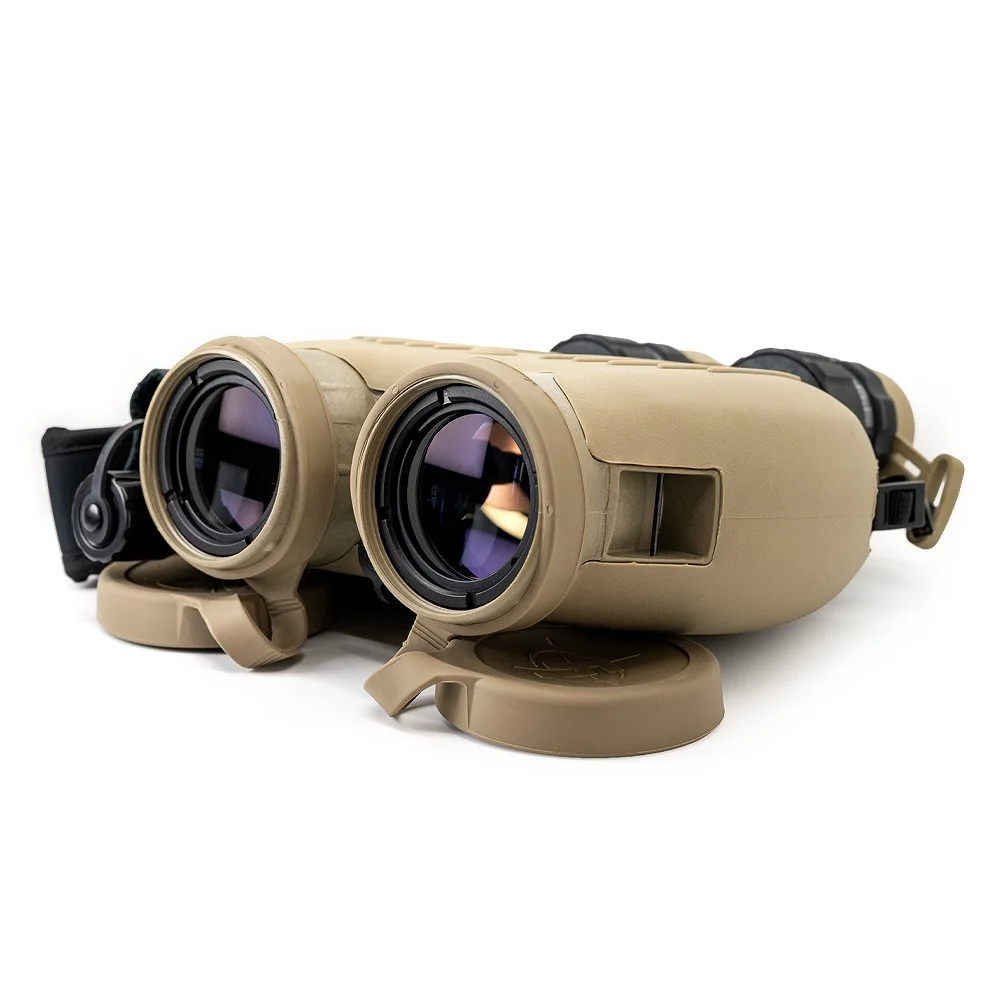
For example, the S250 Gyro-Stabilized Binoculars provide 14x magnification while reducing up to 98% of image motion through advanced STEDI-EYE® technology.
Spotting scopes generally provide greater magnification, making them particularly useful for examining small details on distant subjects. A hunter evaluating an animal across a mountain basin or a bird watcher studying a distant shorebird may benefit from the additional reach.
However, higher magnification also narrows the field of view and makes atmospheric conditions, such as heat shimmer, more noticeable. The most useful magnification depends on the viewing conditions and the level of detail required.
Image Stabilization vs. Tripod Stability
Stability plays a major role in the effectiveness of any long-range optical system.
A tripod provides a fixed support platform that can deliver excellent stability for a spotting scope. This arrangement works particularly well when observing a stationary subject or monitoring a specific area for an extended period.
Image stabilized binoculars provide stability through an internal optical system, allowing the observer to maintain a steady image while holding the binoculars.
Gyro-stabilized binoculars are especially useful when observation takes place from moving platforms, including boats, vehicles, and aircraft. Their stabilization systems compensate for hand movement and vibration, making high-powered viewing more manageable in dynamic environments.
For users who frequently change positions or need to follow moving subjects, handheld stabilization offers considerable flexibility.
Field of View and Scanning Large Areas
Field of view describes how much of the surrounding landscape is visible through an optical device at a given distance.
Binoculars generally provide a wider field of view than spotting scopes operating at higher magnifications. This makes binoculars particularly useful for locating subjects, scanning broad landscapes, and tracking movement.
Spotting scopes excel when the observer needs to concentrate on a smaller area or examine a specific subject in greater detail.
Consider a hunter searching a distant ridgeline for elk or a marine observer scanning the horizon for vessels. A wider field of view makes it easier to locate movement and maintain awareness of the surrounding environment.
Once a subject has been located, a spotting scope can provide additional magnification for closer examination.
Portability and Ease of Use
Portability becomes important when observation requires frequent movement.
Binoculars can be carried and used immediately, making them convenient for hiking, hunting, bird watching, and mobile observation. Image stabilization adds the ability to maintain a steadier view without carrying a tripod.
Spotting scopes generally require additional equipment, including a tripod and mounting hardware. While compact models are available, the complete setup can be heavier and take longer to position.
The advantages of handheld viewing are particularly noticeable when observing from uneven terrain, moving between locations, or tracking subjects that change position quickly.
When Image Stabilized Binoculars Make Sense
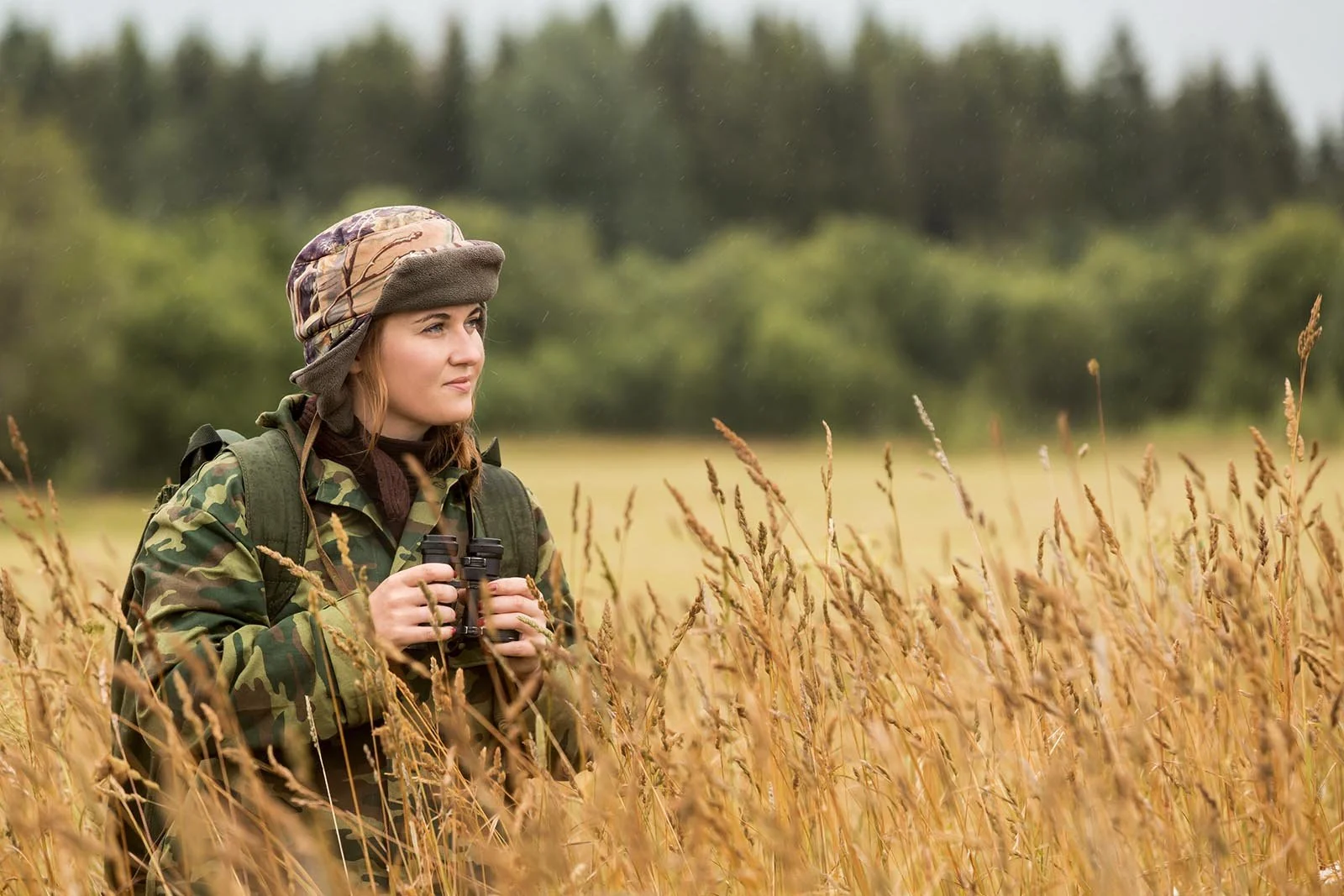
Image stabilized binoculars are especially useful for:
Scanning large landscapes and following moving wildlife
Observing from boats and other moving platforms
Hunting and scouting across changing terrain
Bird watching and tracking birds in flight
Long-range observation where mobility is important
When Spotting Scopes Make Sense
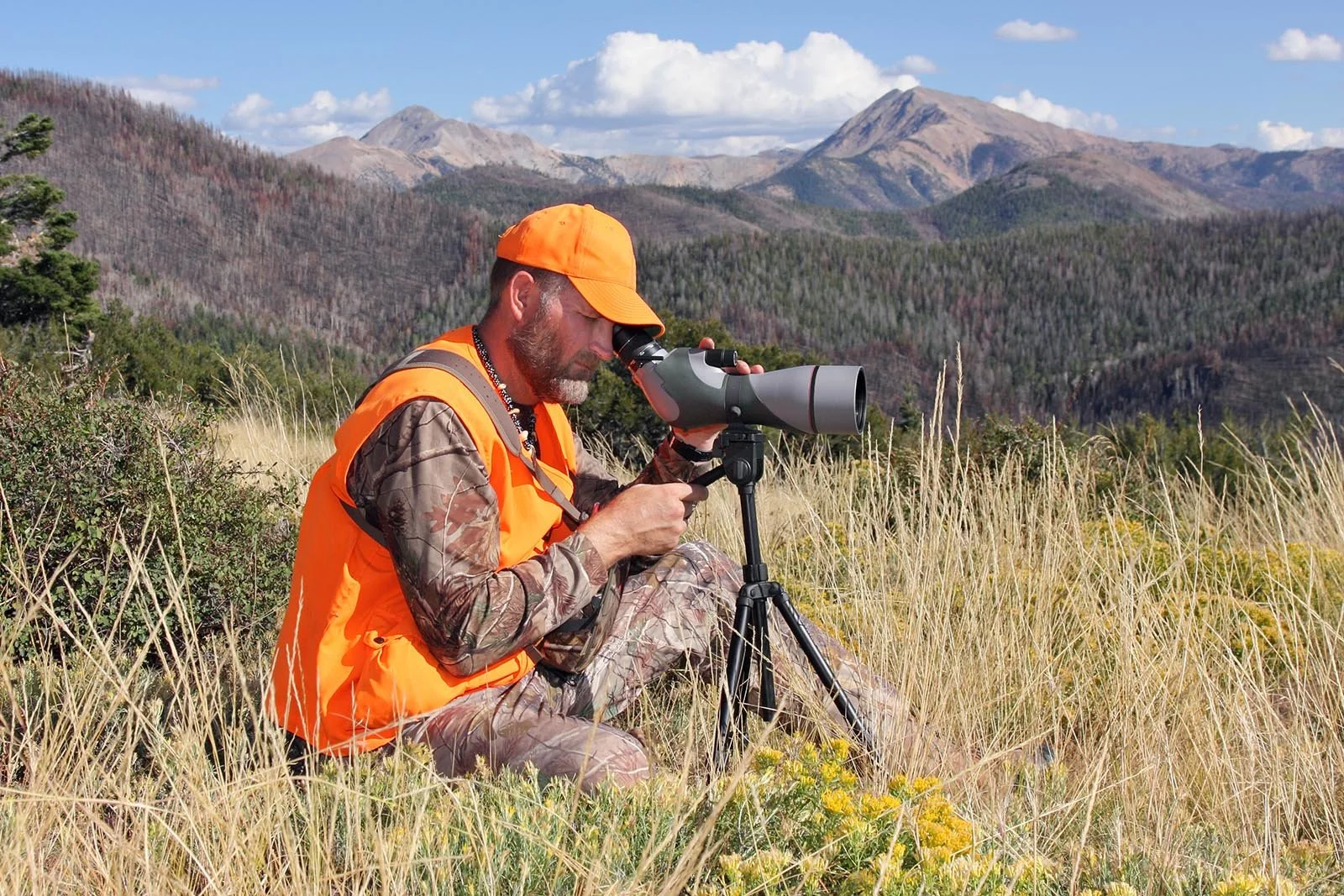
Spotting scopes are particularly valuable for:
Examining fine details at very long distances
Observing stationary wildlife from fixed positions
Identifying distant birds that require higher magnification
Extended observation from established viewing locations
Situations where a tripod can be used comfortably
Comfort During Extended Observation
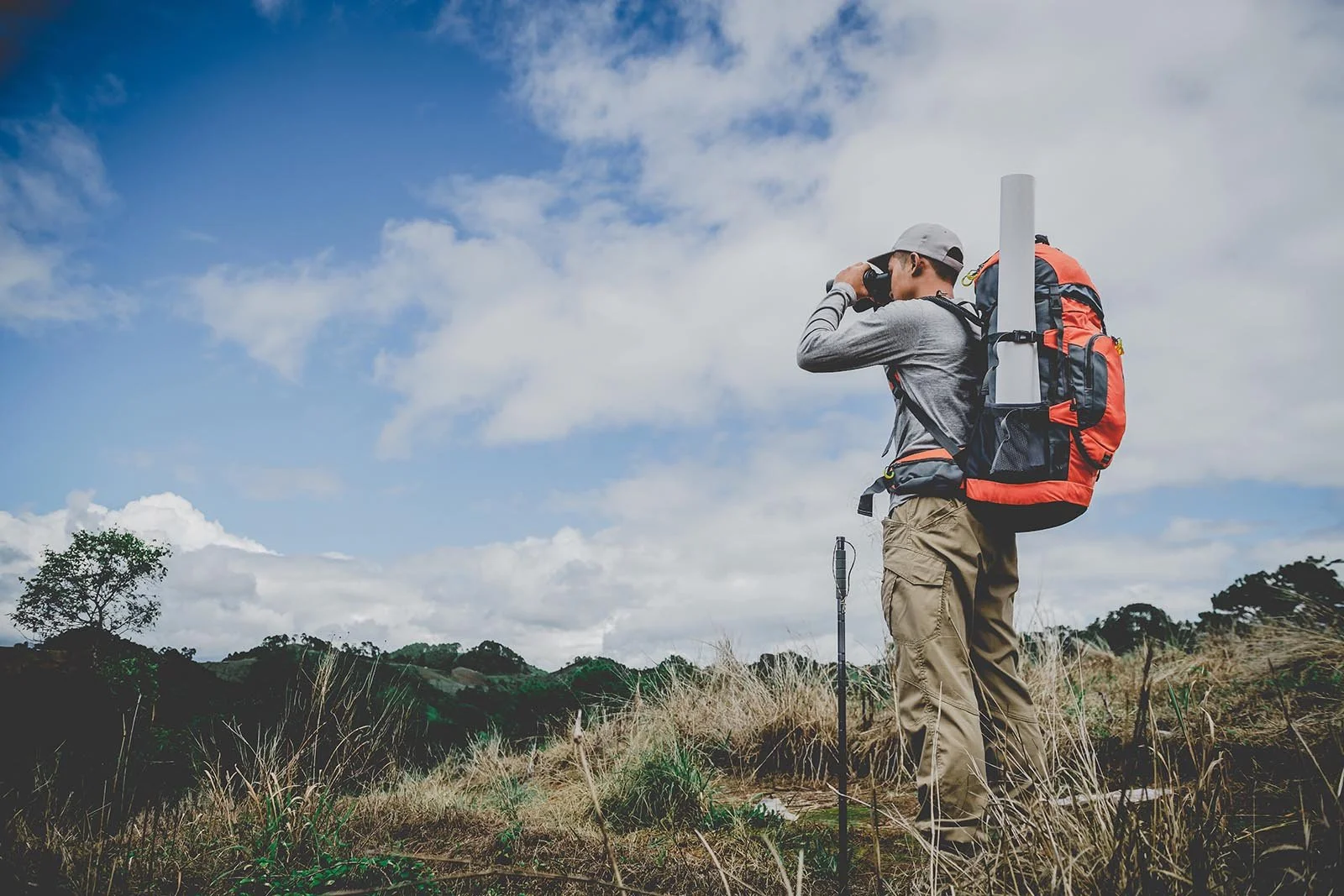
Long viewing sessions place demands on both the eyes and the equipment.
Binoculars allow observers to use both eyes, which many people find comfortable during extended periods of viewing. Image stabilization can further improve comfort by reducing the visual movement that requires constant correction.
Spotting scopes typically require viewing through one eye, although users can alternate eyes or take breaks during longer sessions. Their tripod-mounted design allows the observer to maintain a fixed view without continuously supporting the optic by hand.
Comfort ultimately depends on the observer, viewing duration, equipment weight, and the type of observation being performed.
How Viewing Conditions Influence Performance
The environment can have as much influence on optical performance as magnification.
On open water, vessel movement and vibration make handheld stability particularly important. Gyro-stabilized binoculars can provide a significant advantage by compensating for these movements.
In mountainous terrain, spotting scopes may be useful for examining distant animals from established observation points. Hunters moving frequently between locations may prefer the flexibility of stabilized binoculars.
Bird watchers may use binoculars to locate and follow active birds, then switch to a spotting scope when studying distant waterfowl or shorebirds.
Atmospheric conditions also matter. Heat shimmer, fog, haze, and poor lighting can limit the amount of detail visible through either device, regardless of magnification.
Can Image Stabilized Binoculars Replace a Spotting Scope?
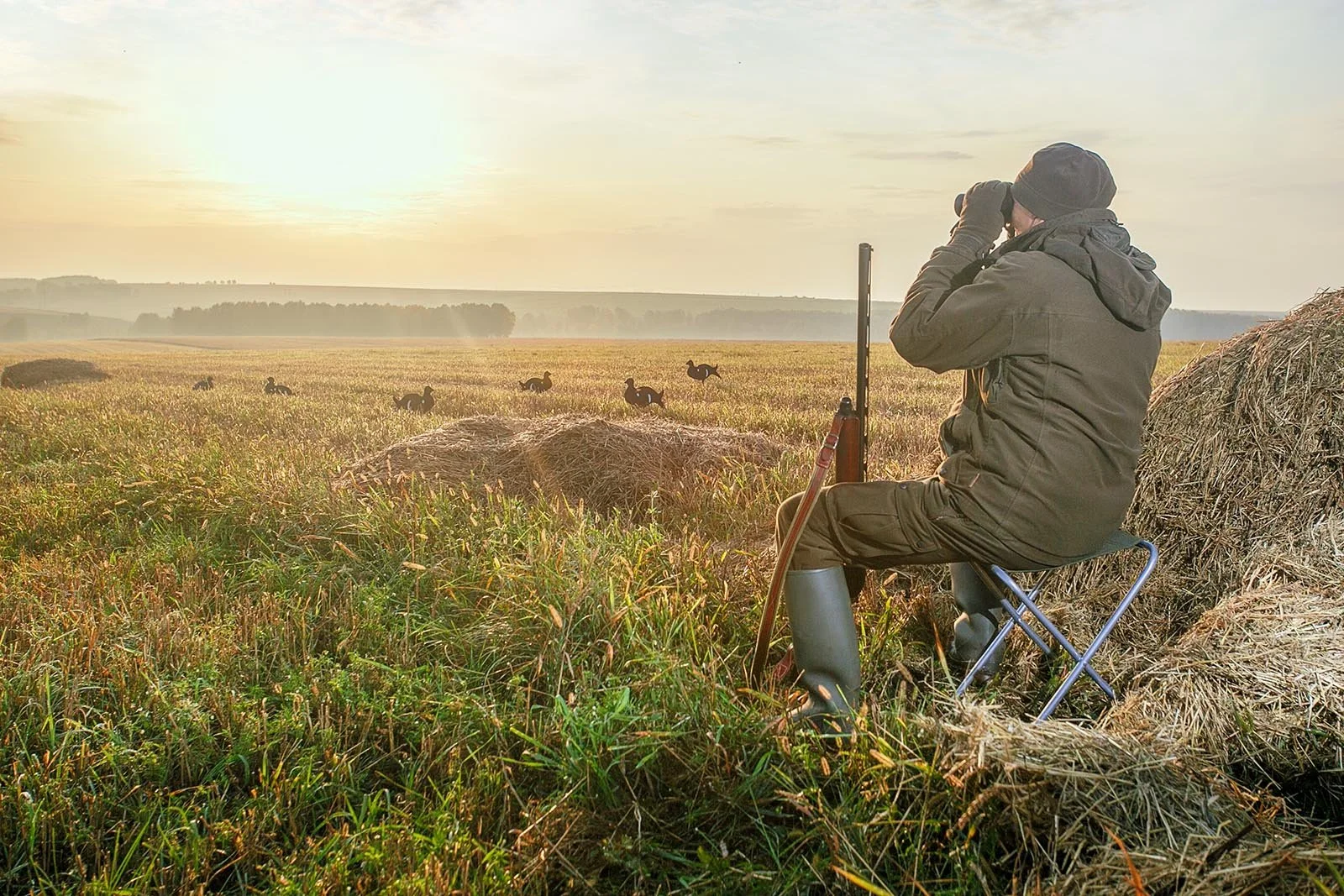
For some applications, image stabilized binoculars can reduce the need for a spotting scope. Their combination of magnification, stabilization, and portability makes them useful for many long-range observation tasks.
However, spotting scopes retain an advantage when substantially higher magnification is required to examine distant details.
Many experienced observers use both tools. Binoculars help locate subjects and maintain awareness across large areas, while spotting scopes provide additional magnification when closer examination is necessary.
The best approach depends on how frequently the observer needs maximum magnification compared with the flexibility of handheld viewing.
Choosing the Right Optics for Your Needs
Image stabilized binoculars and spotting scopes both offer valuable capabilities for long-range observation.
For users who prioritize mobility, a wider field of view, and the ability to observe from moving platforms, image stabilized binoculars provide a practical solution. Their internal stabilization systems make high-powered handheld viewing more effective across a wide range of environments.
Spotting scopes remain valuable when maximum magnification and detailed observation from a fixed position are the primary requirements.
The S250 Gyro-Stabilized Binoculars demonstrate how advanced stabilization technology can expand the capabilities of handheld optics. With 14x magnification and up to 98% image motion reduction, they provide a steady viewing experience for marine observation, hunting, wildlife viewing, and professional applications.
Ultimately, the right choice comes down to how and where the equipment will be used. Understanding the relationship between magnification, stability, field of view, and portability helps ensure that the optics support the demands of the observation rather than becoming a limitation.