
How S250 Binoculars Enhance Bird Watching Across Every Landscape
SuBird watching rewards patience, attention, and the ability to notice small details before they disappear.
A flash of color through dense foliage, the shape of a raptor circling high overhead, or a distant line of waterfowl crossing an open marsh may only be visible for a few seconds. The better the view, the easier it becomes to identify the bird, follow its movement, and appreciate the moment.
That is where image stability becomes especially valuable.
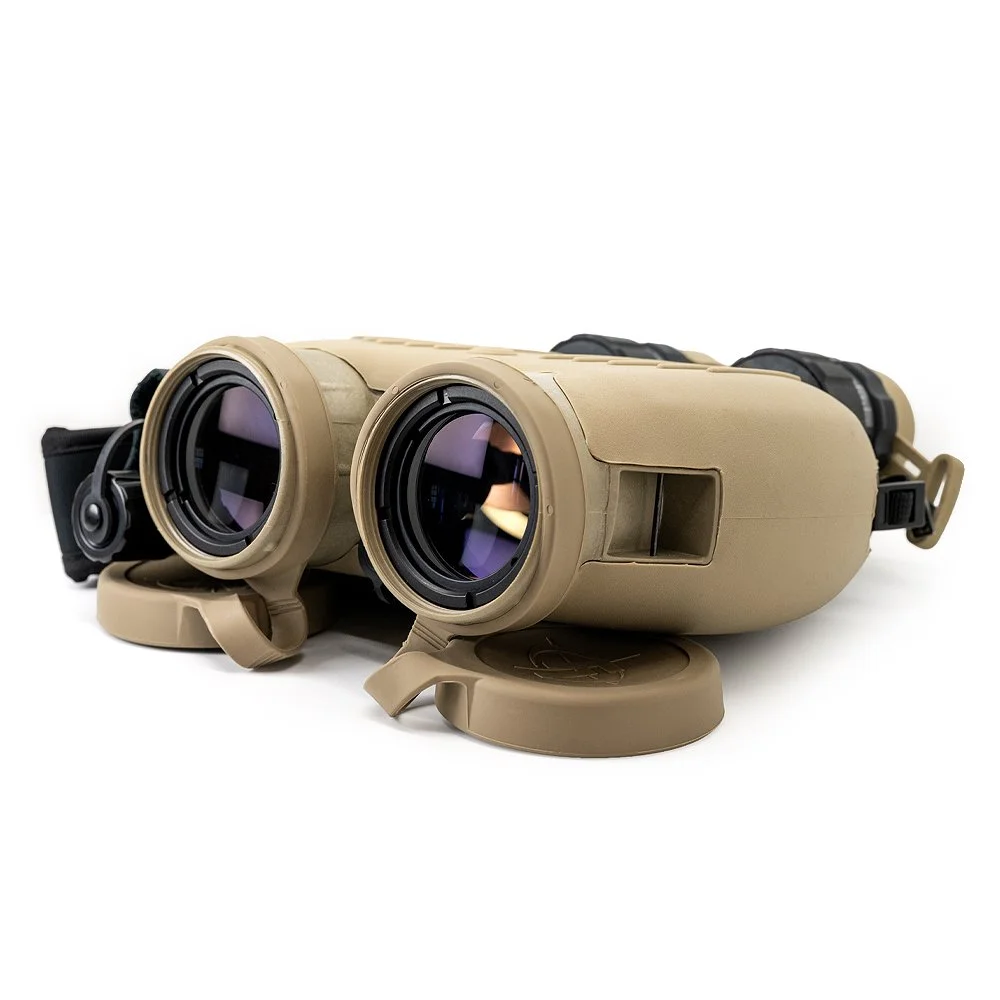
S250 Gyro-Stabilized Binoculars use advanced stabilization technology to eliminate up to 98% of image motion. The result is a remarkably steady view that allows birders to concentrate on plumage, movement, shape, and behavior without constantly compensating for hand tremor or environmental movement.
For observers who spend long periods scanning forests, wetlands, shorelines, open fields, mountain ridges, or coastal waters, a stable image can make bird watching more productive and more enjoyable.
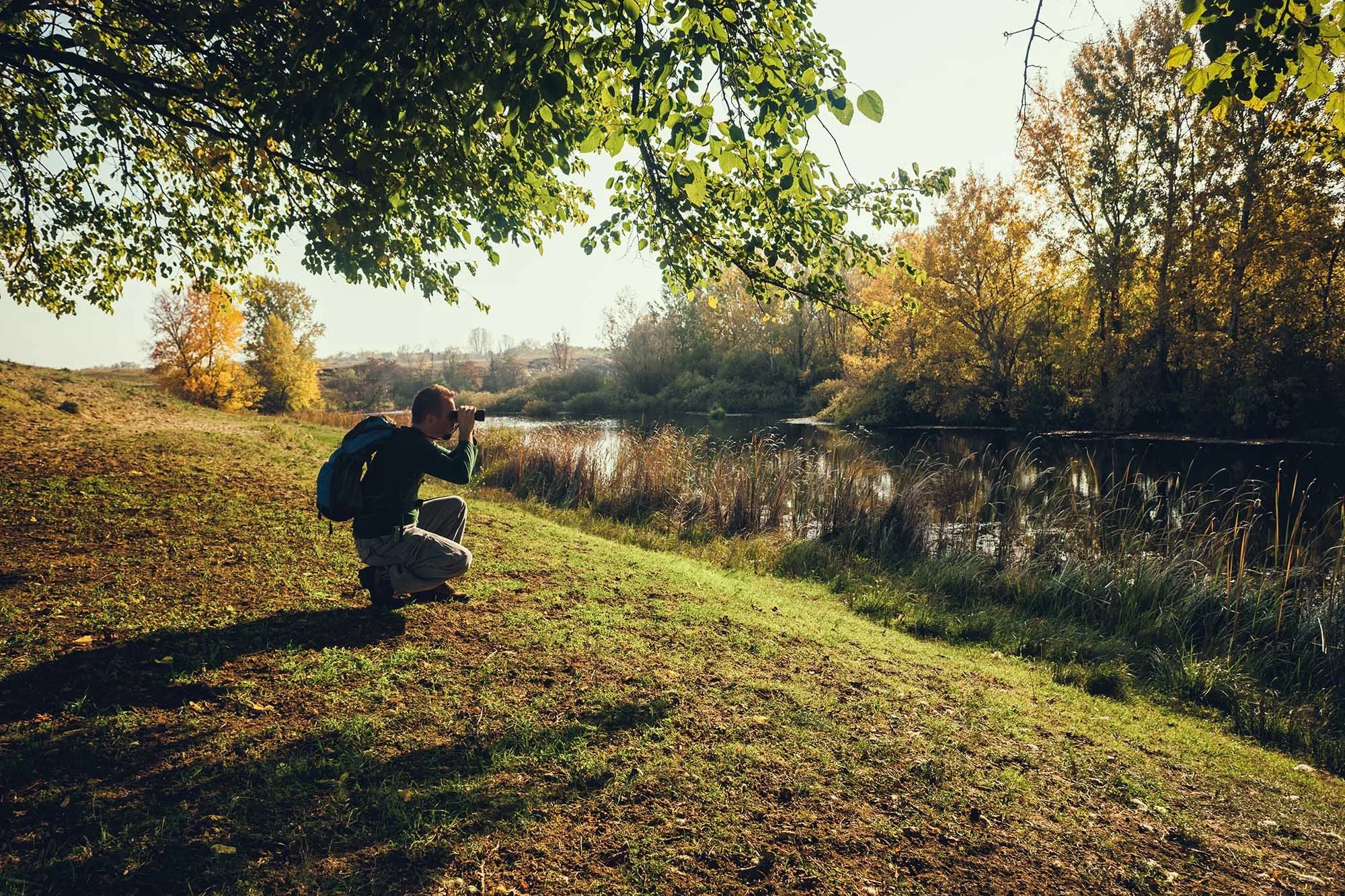
Seeing the Details That Make Identification Possible
Many bird identifications depend on details that are easy to miss.
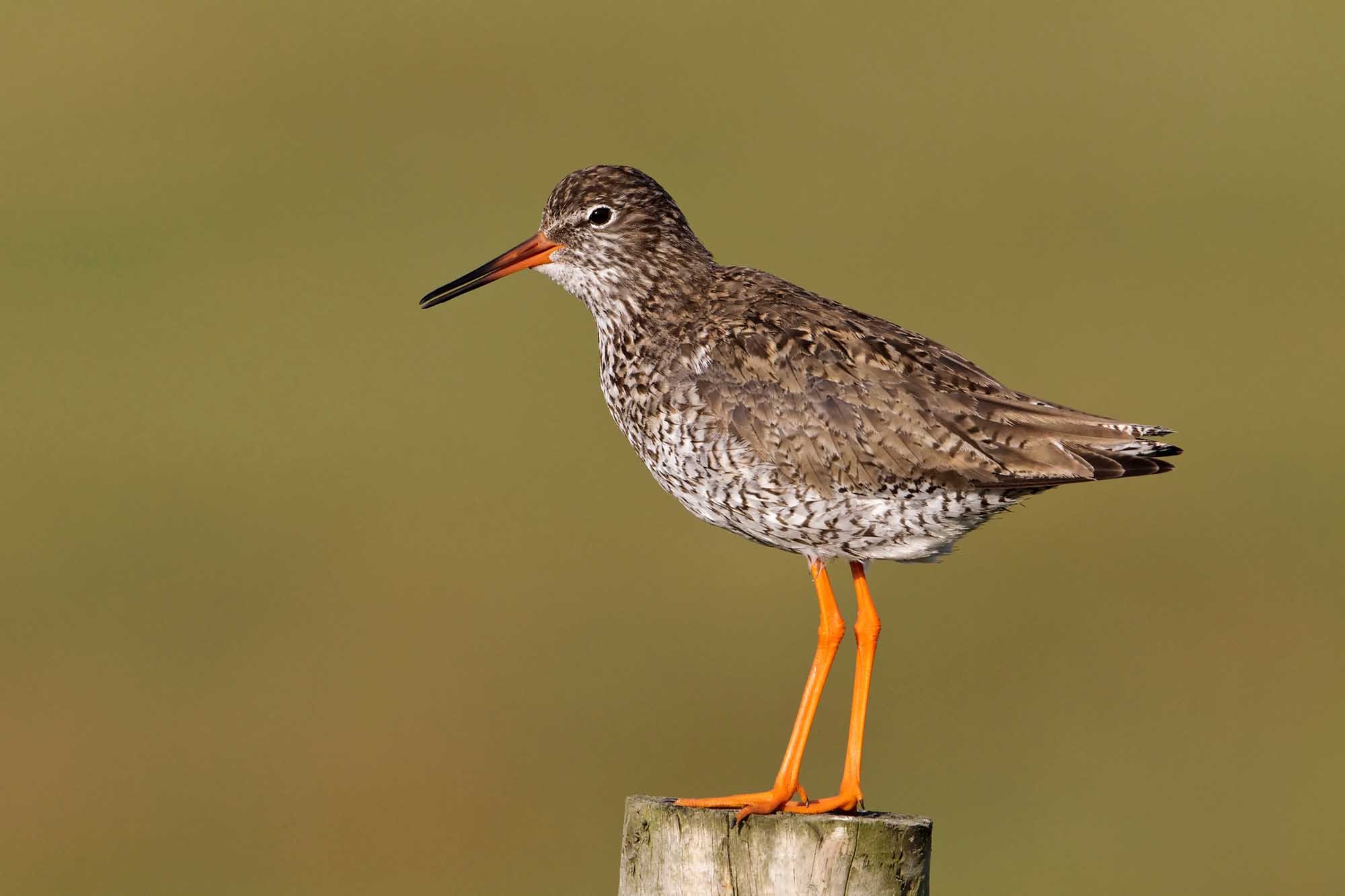
Wing bars, eye rings, tail patterns, beak shape, posture, and flight style can separate one species from another. When a bird is far away, partially hidden, or moving quickly, even a small amount of image shake can make those details difficult to interpret.
The S250 combines powerful 14x magnification with gyro stabilization, allowing birders to view distant subjects with greater control. Instead of trying to steady the binoculars while also following the bird, the observer can focus on the characteristics that matter.
This is especially helpful when watching warblers moving through a canopy, sparrows feeding along a field edge, or shorebirds grouped together across a mudflat. Small birds can disappear into vegetation or merge visually with the surrounding habitat. A steady image helps the eye remain locked onto the subject long enough to notice the differences that support a confident identification.
Following Birds in Motion
Birds rarely remain in one place for long. They move between branches, change direction in flight, dive toward the water, and disappear behind trees or terrain.
Tracking that movement with traditional high-powered binoculars can be challenging because the motion of the user is added to the motion of the bird. The S250 reduces that visual interference, helping birders maintain a controlled view while following active subjects.
This can be particularly useful when watching:
• Raptors circling above ridgelines or open fields
• Waterfowl moving across lakes, marshes, and coastal areas
• Songbirds feeding rapidly through trees and brush
A stable field of view gives observers more time to study flight patterns, compare silhouettes, and follow a bird as it moves through a complex background.
Long-Range Observation Across Open Landscapes
Some birding environments require observers to cover large areas from a single location.
Grasslands, agricultural fields, reservoirs, coastlines, and mountain overlooks can place birds hundreds of yards away. Raptors may remain high above the landscape, while cranes, geese, and swans may gather in distant fields or on the far side of open water.
The S250 allows birders to search these areas with high-powered magnification while maintaining a steady handheld view. This can make it easier to identify distant movement and determine whether a shape is a bird, a branch, or another feature of the landscape.
The ability to scan widely without setting up a tripod also helps observers respond quickly when activity shifts to another part of the viewing area.
A Steady View Creates More Time to Observe
Bird identification often depends on a few brief seconds. Stabilized binoculars give observers more usable time within those moments by reducing visual movement and helping the eye stay focused on the bird.
More Comfortable Viewing During Long Birding Sessions
A morning migration watch, a full day at a wildlife refuge, or several hours at a hawk watch can involve long periods behind binoculars.
During these sessions, the eyes and brain work continuously to interpret movement and maintain focus. Traditional high-magnification binoculars can increase that workload because every hand movement is reflected in the image.
By stabilizing the view, the S250 helps reduce the constant visual correction required during extended observation. Birders can remain focused longer and spend more time studying behavior, comparing species, and monitoring changes across the landscape.
This can be especially beneficial during migration periods, when activity may continue for hours and the most interesting sightings can occur at any point during the day.
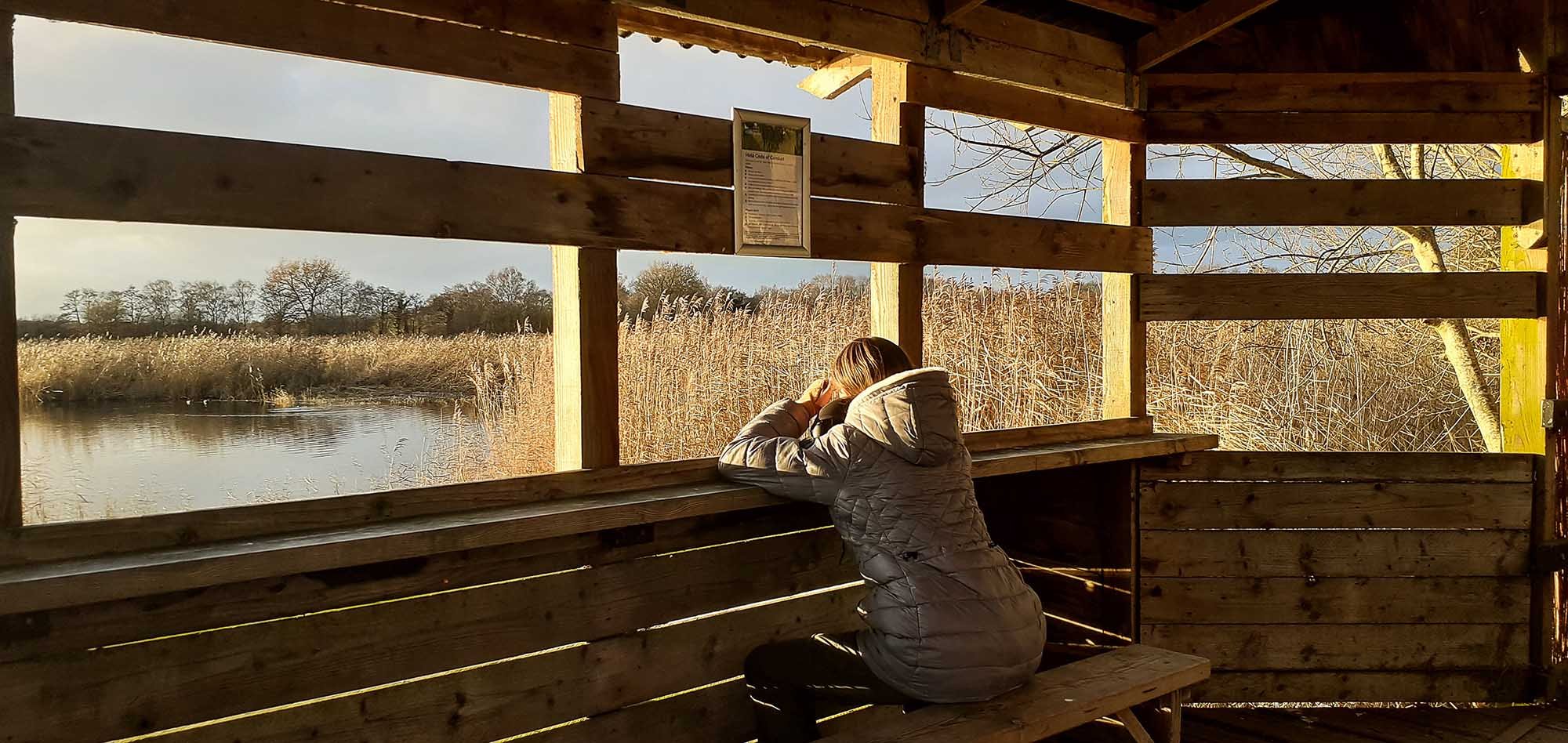
Bird Watching From Shorelines, Boats, and Open Water
Coastal and marine birding introduce additional movement that can make observation difficult.
From shore, wind can affect both the observer and the birds being watched. From a boat, wave action, vibration, and engine movement create a constantly shifting platform. Pelagic birding adds another layer of difficulty because seabirds often move quickly over large areas and may only appear briefly above the waves.
The S250 is particularly well suited to these conditions. Its gyro-stabilization system compensates for vessel movement and hand tremor, creating a steadier view of birds flying low over the water or resting at a distance.
This can help observers follow shearwaters, storm-petrels, gannets, puffins, gulls, terns, and other coastal or offshore species that are difficult to track from a moving deck.
Marine and pelagic birding may represent a smaller portion of most birders’ time in the field, but they are among the environments where stabilization provides the clearest advantage.
Watching Waterfowl and Shorebirds With Greater Precision
Wetlands, marshes, mudflats, and reservoirs often support large groups of birds spread across wide areas.
Waterfowl may be far from shore, while shorebirds frequently gather in mixed flocks where size, posture, bill shape, and feeding behavior become important identification clues. These environments can be visually busy, with moving water, reflections, reeds, and overlapping birds all competing for attention.
A stable image helps separate the subject from the background and allows observers to study a single bird without repeatedly losing it within the flock.
With 14x magnification, birders can more effectively compare distant ducks, geese, swans, sandpipers, plovers, and other species while maintaining the flexibility of handheld binoculars.

Useful Across Seasons and Habitats
Bird watching changes throughout the year.
Spring brings migrating songbirds, nesting behavior, and increased activity in forests and wetlands. Summer offers opportunities to observe breeding birds, young birds, and species active in open fields and waterways. Fall migration can produce large movements of raptors, waterfowl, and shorebirds. Winter opens views through leafless forests and brings concentrations of birds to coastlines, lakes, fields, and feeding areas.
The S250 supports observation across these changing conditions. Its stabilized image is useful for searching dense habitat, following birds in flight, and scanning open landscapes where distance becomes a major factor.
Its rugged, waterproof construction also makes it well suited for the weather conditions birders often encounter, including rain, spray, humidity, cold, and extended exposure outdoors.
A Powerful Tool for Serious Birders
Every birder develops a personal approach to observation. Some focus on local parks and backyard habitats. Others travel to migration hotspots, wetlands, mountain overlooks, or coastal areas in search of specific species.
The common goal is the same: to see more clearly and understand more of what is happening in the field.
S250 Gyro-Stabilized Binoculars help support that goal by combining long-range magnification with a stable handheld image. They allow observers to study small details, follow active birds, scan distant habitats, and remain comfortable during long viewing sessions.
From songbirds moving through a forest canopy to raptors crossing an open sky, from waterfowl on a distant lake to seabirds appearing beyond the shoreline, stabilization gives birders a clearer connection to the moment.
When every identification begins with a view, a steadier image can reveal more of the birds and behavior that make the experience worthwhile.