
Are Image Stabilized Binoculars Good for Hunting?
Image stabilized binoculars can be especially useful for hunting because they reduce the visible movement caused by hand tremor, body movement, wind, and unstable viewing positions.
That stability becomes increasingly valuable at higher magnifications and longer distances, where even small movements can make it difficult to identify game or study fine details.
For hunters, binoculars are primarily an observation tool. They help locate animals, evaluate terrain, monitor movement, and determine whether an animal is worth pursuing. Image stabilization can make each of those tasks more effective by providing a steadier, more usable view.
Finding Game Across Different Terrain
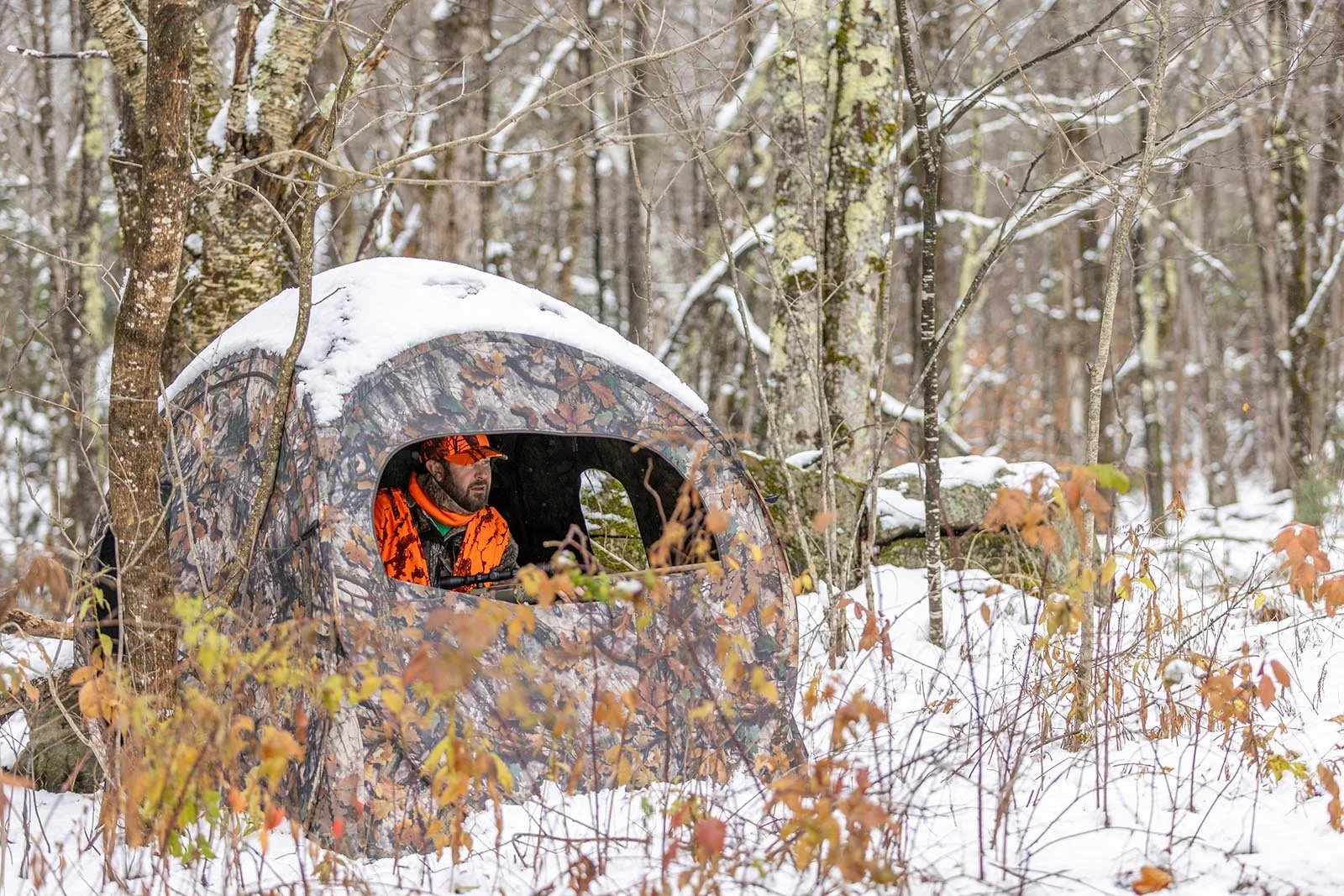
Hunting environments can vary dramatically depending on the species being pursued. A whitetail hunter may be watching the edge of an agricultural field or scanning through timber. Elk and mule deer hunters may need to search entire mountainsides and distant basins.
Pronghorn can require observation across expansive open country, while moose and black bear may appear along timber edges, wetlands, clearings, or other areas where vegetation can make identification difficult.
In each situation, finding game often begins with detecting small visual clues. An ear moving above vegetation, the flash of an antler, or a dark shape crossing between trees may be the first indication that an animal is present.
Image stabilized binoculars help keep the landscape steady while the hunter searches for these details. Instead of image shake competing with natural movement in the environment, the observer can concentrate more closely on the terrain.
Why Stabilization Matters at Long Distances
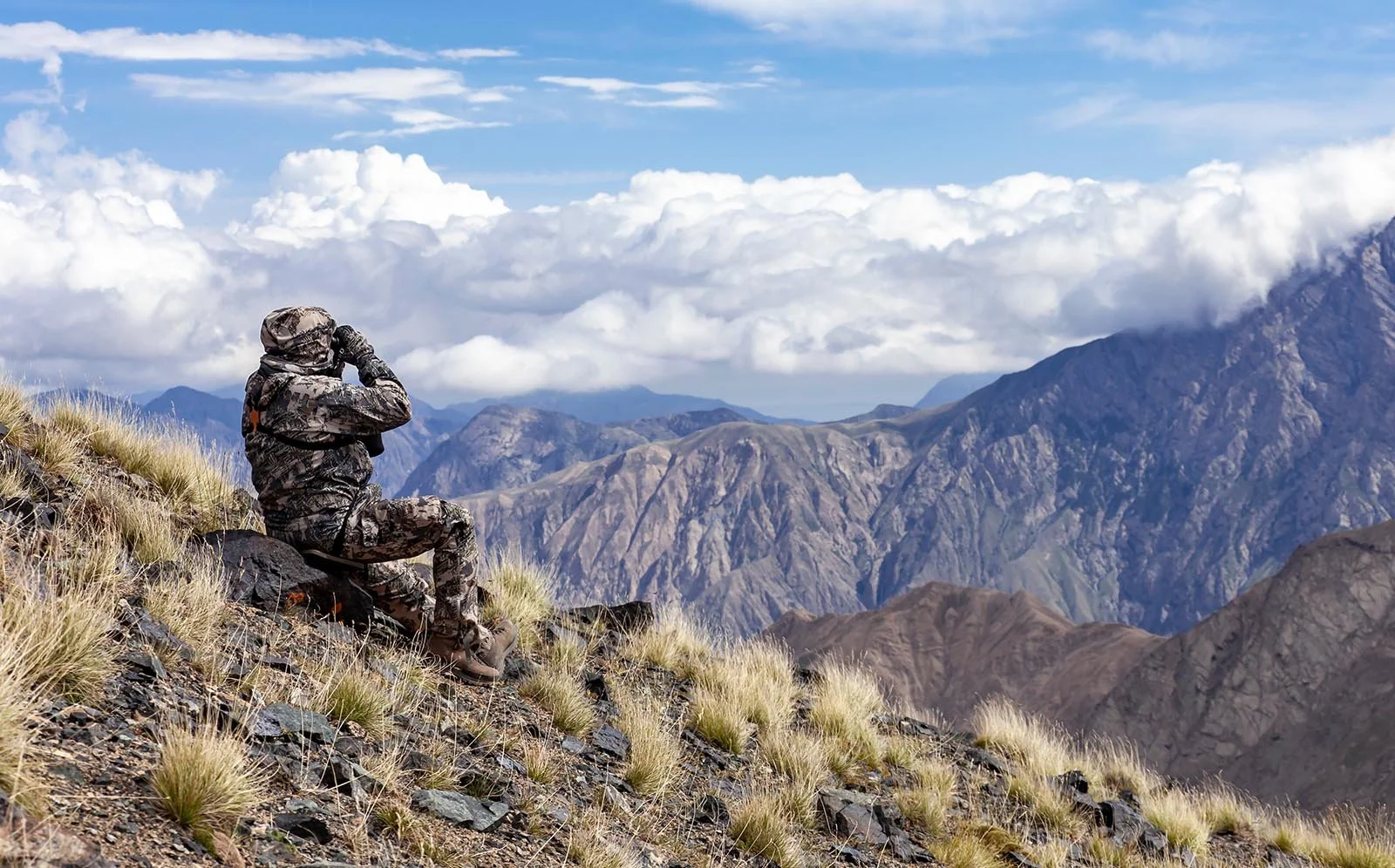
Magnification and image movement are closely related. Higher-powered binoculars bring distant subjects closer, but they also magnify movement from the person holding them. This becomes particularly noticeable during long-range observation. A hunter scanning a distant ridge for elk or evaluating a mule deer across a valley needs enough stability to make the additional magnification useful.
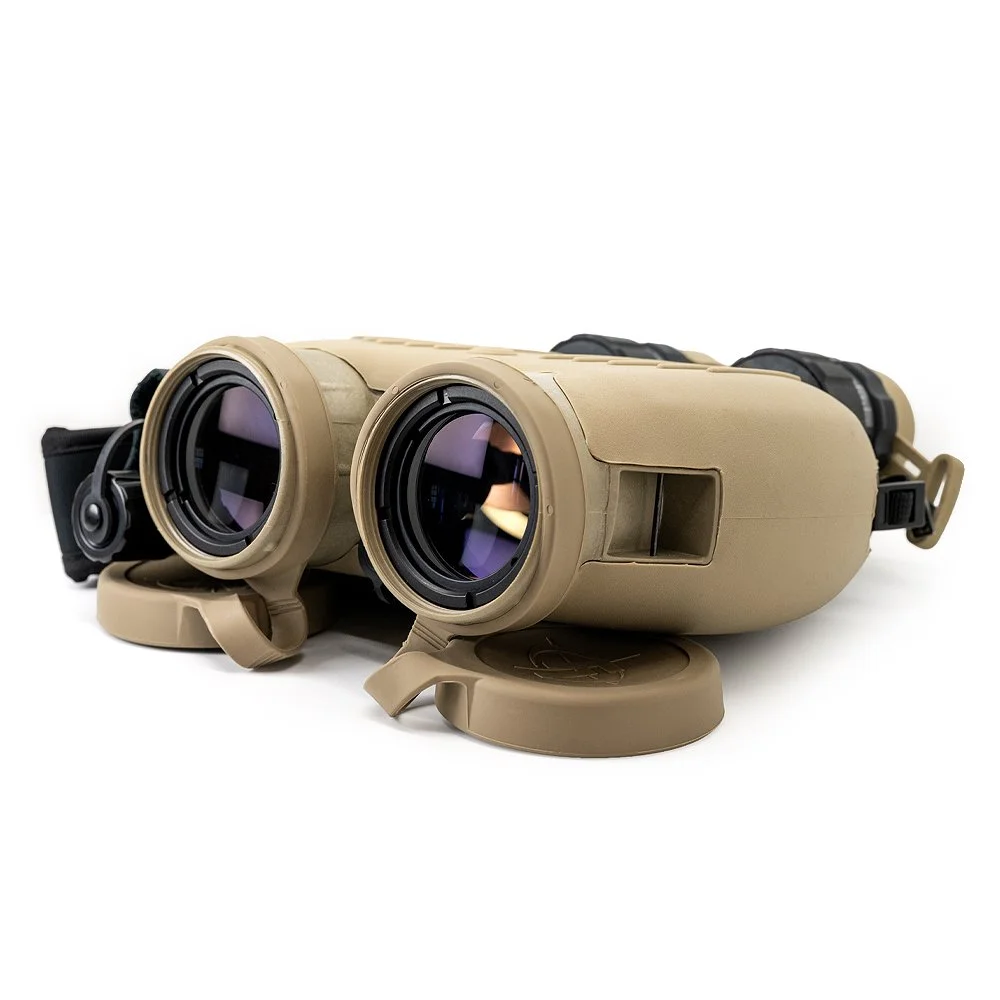
Gyro-stabilized binoculars such as the S250 address this by actively compensating for movement. The S250 provides 14x magnification while its STEDI-EYE® stabilization technology eliminates up to 98% of image motion. That combination gives hunters the ability to search distant terrain with a steady handheld view, including situations where setting up a tripod may be inconvenient.
Scouting Before and During Hunting Season
Image stabilized binoculars can be just as useful before the hunt begins.
Scouting often involves observing feeding areas, water sources, travel corridors, field edges, bedding areas, and migration routes from a distance. Maintaining that distance can help hunters gather information while minimizing disturbance.
During scouting, binoculars can help hunters:
Identify where animals enter and leave feeding areas
Monitor movement at dawn and dusk
Evaluate animals before hunting season
Study terrain and potential travel routes
The same information becomes useful once the season begins, helping hunters decide where to spend their time and when to change locations.
Big Game and Small Game
Image stabilization has applications across a wide range of hunting styles.
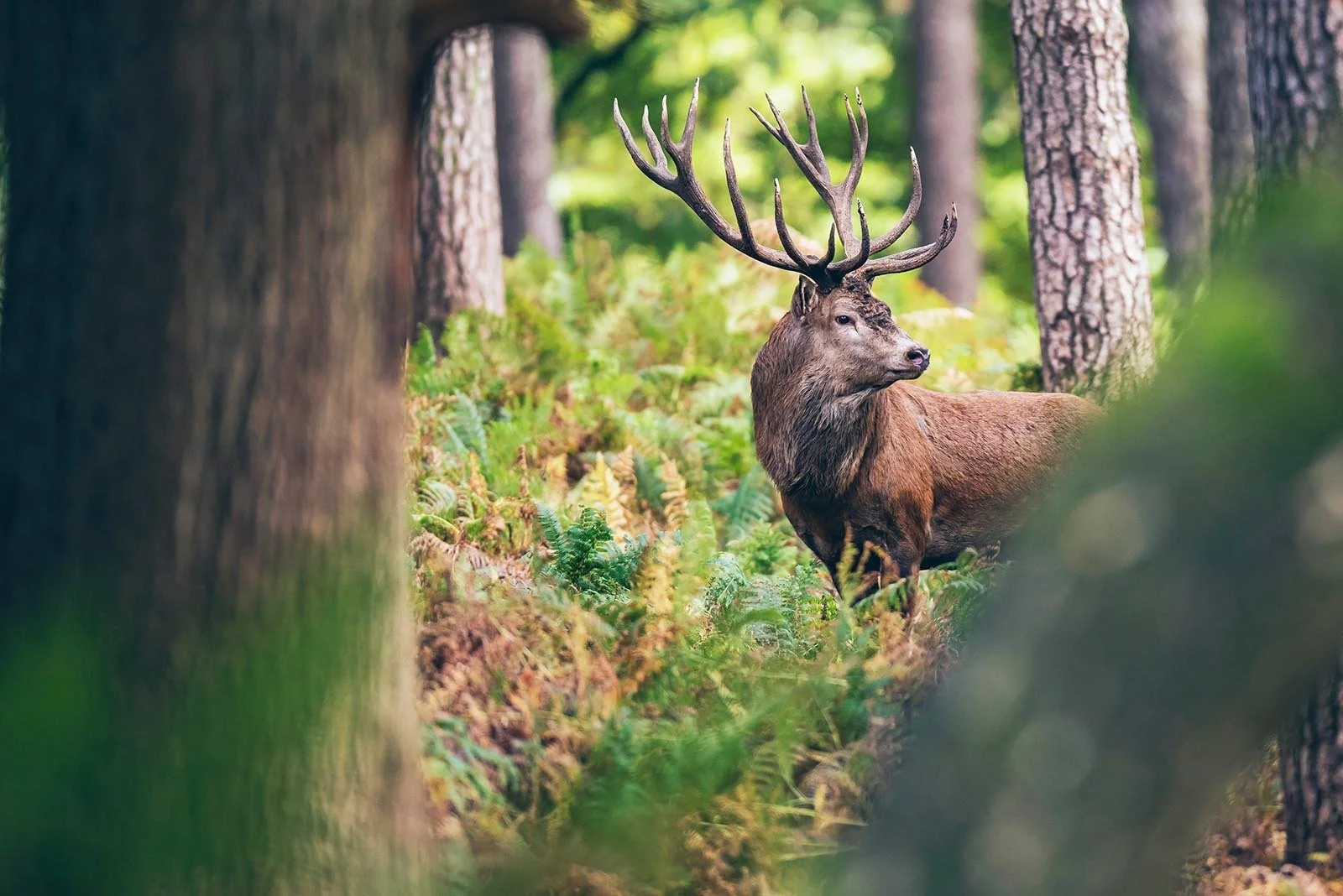
For big game, the combination of magnification and stability can help hunters locate and evaluate whitetail, elk, mule deer, moose, pronghorn, black bear, and other animals at distance. Once an animal is located, a steady image makes it easier to study body size, antlers, movement, and behavior before deciding whether to pursue it.
Small game presents a different challenge. Rabbits, prairie dogs, coyotes, foxes, upland birds, and other smaller animals occupy less of the field of view and can disappear quickly into vegetation or terrain. Stabilization can help the observer detect subtle movement and maintain visual contact once an animal has been located.
A Steadier View During Long Observation Sessions
Some hunting styles involve hours of observation. Searching mountain terrain for elk or mule deer, watching fields for whitetails, or scanning open country for pronghorn can require patience and sustained concentration.
Constant image movement increases the amount of visual correction required from the eyes and brain. A stabilized image reduces that workload, making extended viewing more comfortable and helping hunters maintain concentration throughout longer sessions.
This is particularly useful during multi-day hunts, when fatigue can accumulate from early mornings, long hikes, changing weather, and extended periods of observation.
Image Stabilized Binoculars or a Tripod?
Both have useful roles.
A tripod provides excellent stability from a fixed observation point and can be a strong choice when hunters expect to remain in one location for an extended period. Image stabilized binoculars provide greater mobility, allowing the hunter to stop, scan an area, change positions, and immediately begin observing again.
For spot-and-stalk hunting, scouting from multiple locations, or covering changing terrain, handheld stabilization can provide a useful balance between magnification and mobility.
Making More of Every Observation
Hunting depends heavily on gathering information before taking action. The ability to locate an animal earlier can provide more time to evaluate the situation, understand its direction of travel, and determine the best approach.
Image stabilized binoculars support that process by making long-range observation steadier and easier to use. From whitetails along field edges to elk across mountain basins, pronghorn on open plains, moose near wetlands, or small game hidden in complex terrain, stabilization helps hunters concentrate on the animals and landscape in front of them.
For hunters who depend heavily on binoculars for scouting and long-range observation, a steadier view can make every hour spent searching more productive.