
What Are Image Stabilized Binoculars and How Do They Work?
Binoculars make distant objects appear closer, but magnification also makes movement more visible.
A small hand tremor that is barely noticeable to the naked eye can become significant when looking through high-powered binoculars. Add the movement of a boat, vehicle, aircraft, or unstable viewing position, and maintaining a clear image becomes increasingly difficult.
Image stabilized binoculars are designed to address this problem. Stabilization technology compensates for unwanted movement, helping the viewed image remain steady even when the binoculars or the person holding them are moving.
The result is a clearer, more usable view that can make it easier to identify distant objects, follow moving subjects, scan large areas, and observe for extended periods.
Why Binocular Images Shake
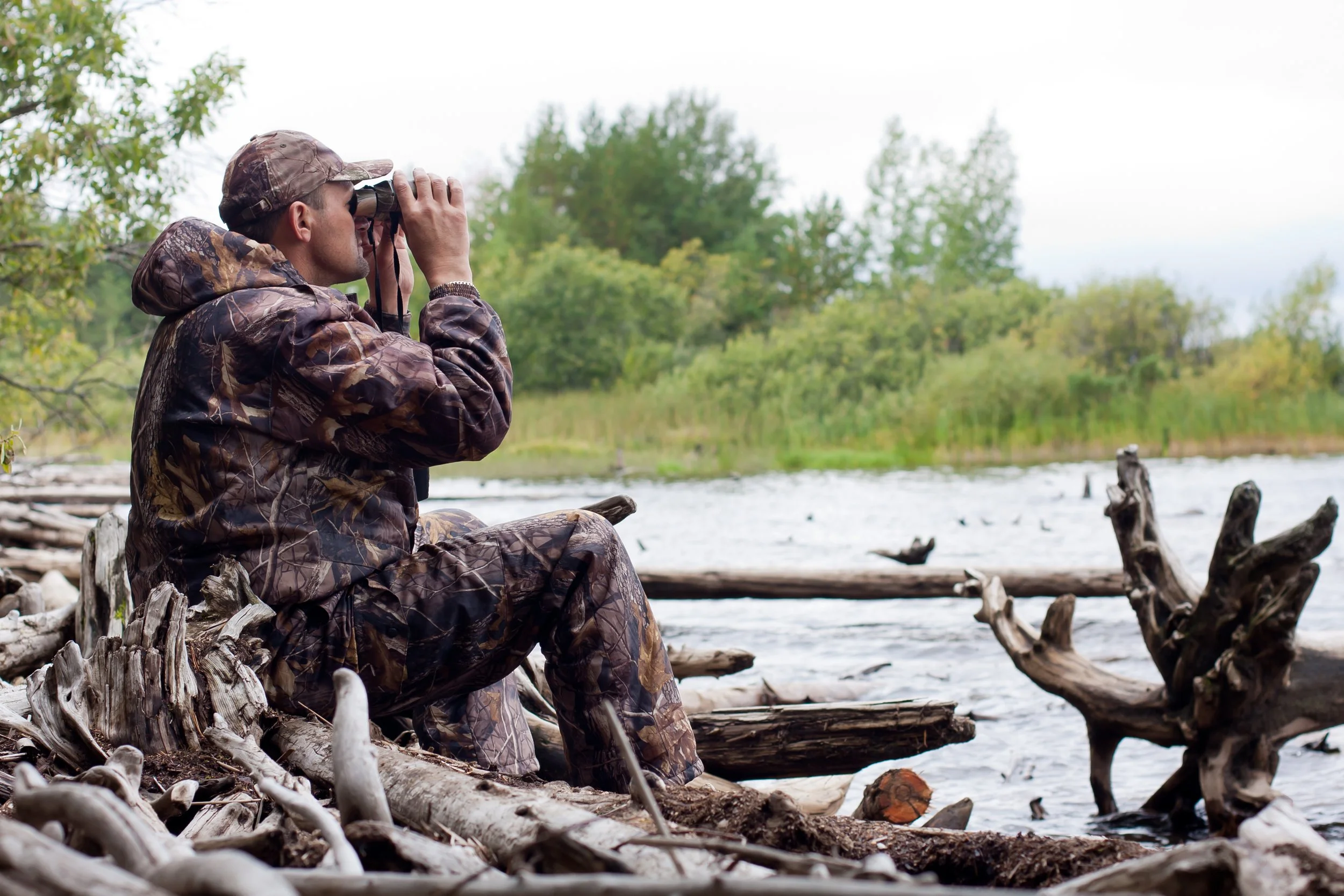
Every handheld binocular moves slightly during use. Breathing, muscle movement, hand tremor, wind, and body position all contribute to small changes in orientation. Environmental movement can add considerably more instability when binoculars are used aboard boats or from other moving platforms.
Magnification makes this movement more apparent. As magnification increases, the apparent movement of the image also becomes more pronounced. This is one reason powerful handheld binoculars can become difficult to use effectively without some form of stabilization or physical support.
A tripod can provide excellent stability from a fixed position, but it limits mobility. Image stabilization addresses the problem within the binocular system itself, allowing the user to maintain a steadier handheld view.
How Image Stabilized Binoculars Work
There are several approaches to image stabilization, and the underlying technology varies by manufacturer and product.
Some binoculars use electronic or optical systems that detect movement and adjust internal optical elements to compensate. Others use mechanical stabilization systems that allow portions of the optical assembly to move independently from the binocular housing.
Gyro-stabilized binoculars use a gyroscope to counteract unwanted movement. A gyroscope contains a rapidly spinning mass that resists changes in orientation because of angular momentum. Within a stabilized optical system, this principle can be used to control the orientation of optical components as the binocular housing moves.
The effect is straightforward from the user's perspective. The binoculars may move in the observer's hands, while the image seen through the eyepieces remains substantially steadier.
Gyro Stabilization and Moving Platforms
Gyroscopic stabilization is particularly useful when movement comes from more than the user's hands.
Consider someone trying to identify a distant vessel from a boat. The observer's hands are moving, the boat is vibrating, and the entire viewing platform is rising and falling with the water. High magnification amplifies all of these movements.
Similar challenges occur when viewing from aircraft, helicopters, off-road vehicles, and other moving platforms.
A gyro-stabilized system compensates for this combined motion, allowing high-powered optics to remain useful in environments where maintaining a steady handheld image would otherwise be difficult.
This is why gyro-stabilized binocular technology has long been associated with professional maritime observation, military operations, surveillance, and other applications involving movement or vibration.
What Does Image Stabilization Help You See?
Stabilization does not increase the optical magnification of a binocular. Its value comes from making the available magnification easier to use. When the image remains steady, fine details become easier to observe. Users can spend more time examining the subject and less time repeatedly trying to reacquire it.
Depending on the application, this can help with tasks such as:
Following birds or wildlife moving across a distant landscape
Identifying vessels, buoys, landmarks, or activity across open water
Spotting bait balls, feeding birds, and surface activity while fishing
Searching large areas during rescue or surveillance operations
Evaluating distant terrain or game while scouting and hunting
Stabilization can become increasingly valuable as viewing distance and magnification increase.
Image Stabilized Binoculars vs. Tripods
Tripods remain an effective solution for many types of long-range observation. They provide a highly stable viewing platform and are especially useful when an observer plans to remain in one location for an extended period.
Image stabilized binoculars serve a different need. They provide mobility.
A user can scan in one direction, turn to another, change position, or move around a vessel without repeatedly repositioning a tripod. This makes stabilized binoculars particularly useful when the subject itself is moving or when observation needs to cover a wide area.
For some applications, both tools can have a place. A fixed observation station may favor tripod-mounted optics, while mobile observation may benefit more from handheld stabilization.
Stabilization Can Reduce Visual Fatigue
Image movement affects more than clarity. The eyes and brain continually work to interpret a moving image and maintain focus on the subject.
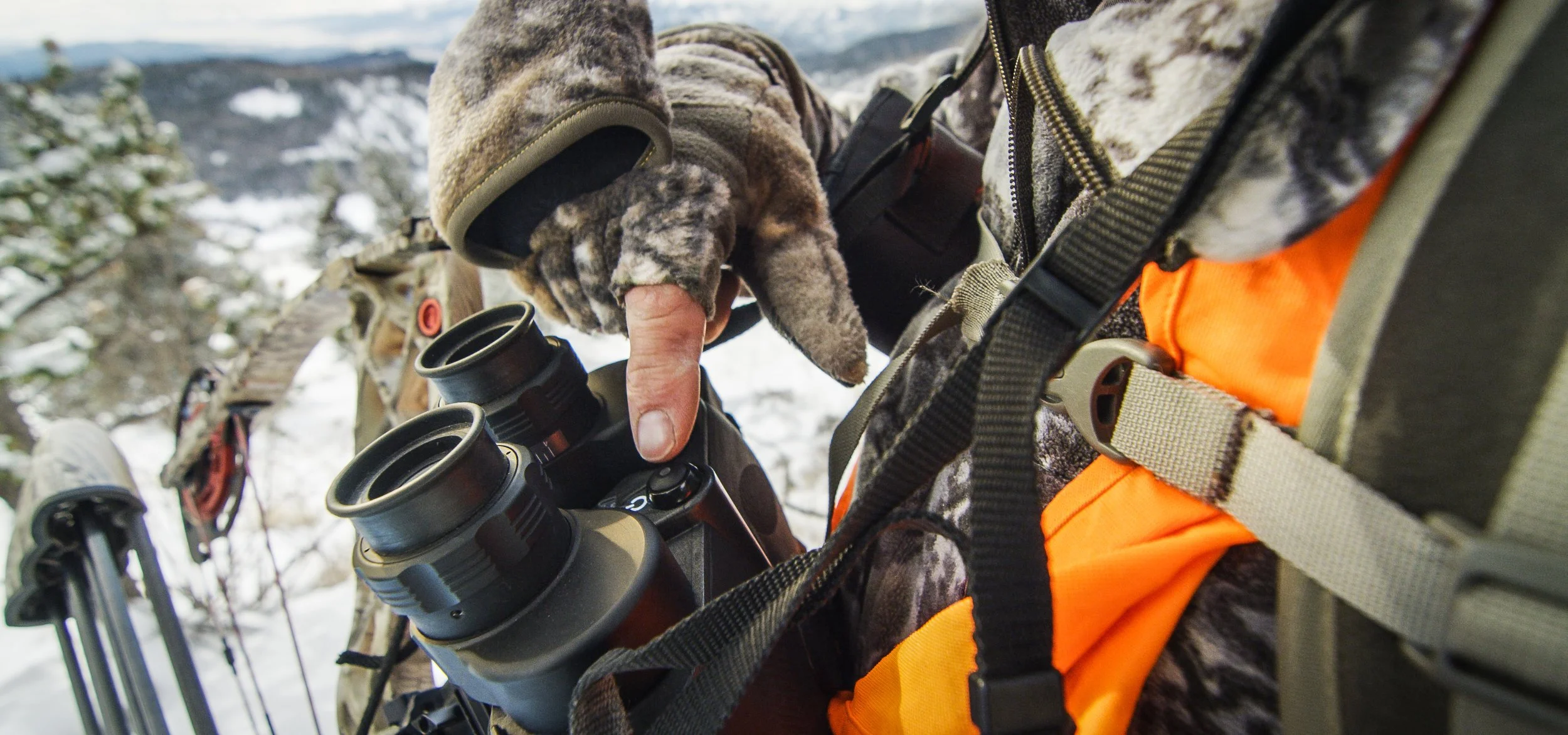
During a brief viewing session, this may be little more than an inconvenience. During hours of observation, constant movement can contribute to visual fatigue and make it harder to maintain concentration.
A steadier image reduces the amount of visual correction required from the observer. This can make extended viewing more comfortable, particularly for professional users, bird watchers, hunters, fishermen, and others who may spend substantial periods looking through binoculars.
What to Look for in Image Stabilized Binoculars
Stabilization is only one part of binocular performance. Buyers should evaluate the complete optical system and consider how the binoculars will actually be used.
Important specifications and features include:
Magnification and objective lens diameter
Stabilization range and type
Optical resolution and light transmission
Field of view
Battery life and power options
Weight and physical dimensions
Waterproofing and environmental sealing
Shock resistance and overall durability
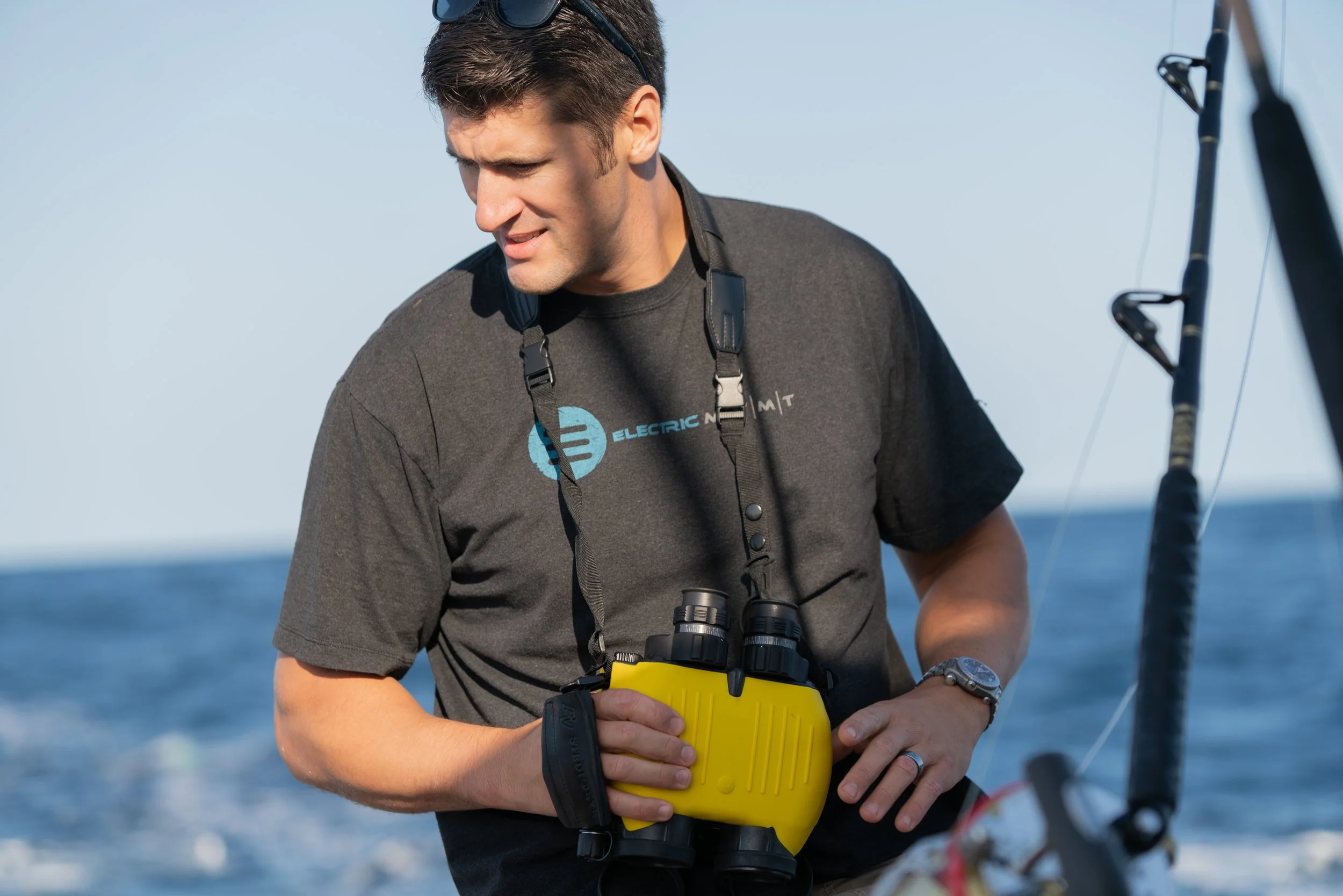
The importance of each feature depends on the application. Marine users may prioritize waterproof construction and stabilization performance on moving platforms, while wildlife observers may place greater emphasis on optical clarity, field of view, and extended viewing comfort.
An Example of Gyro-Stabilized Technology
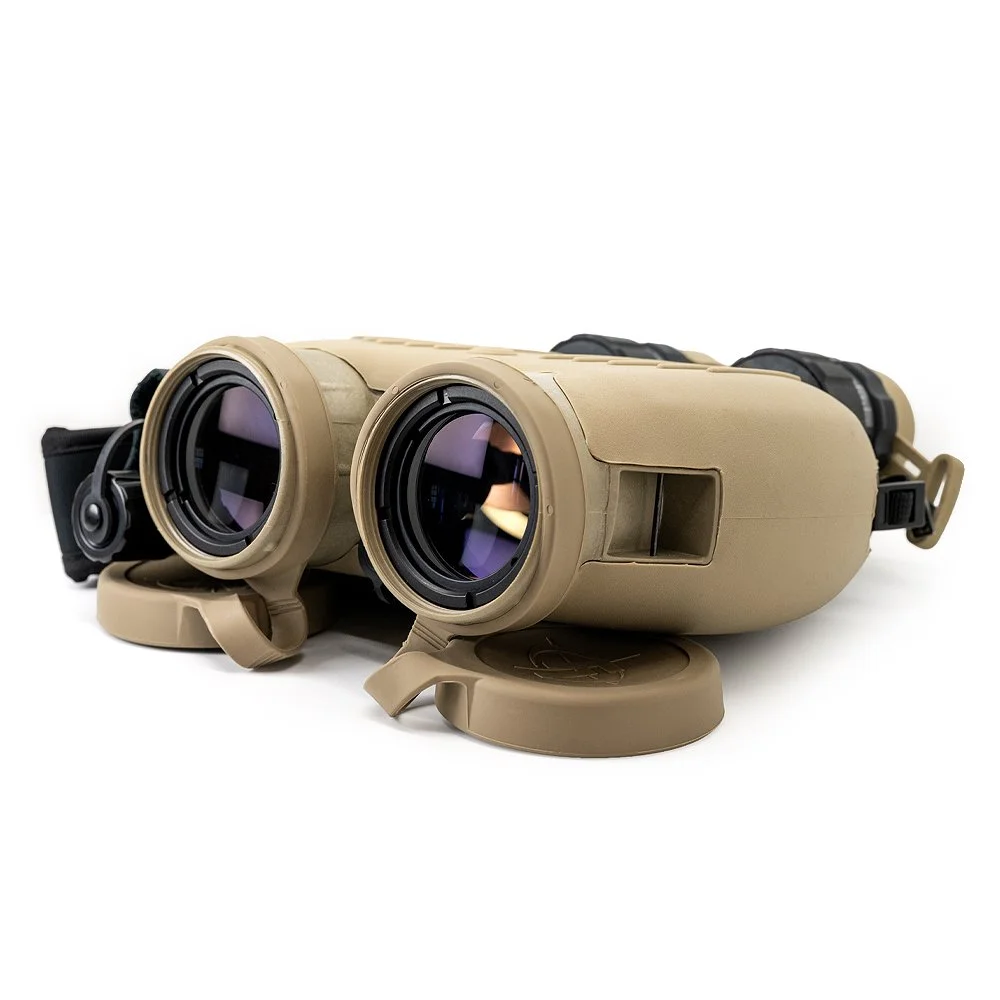
The S250 Gyro-Stabilized Binoculars are one example of a mechanical gyro-stabilized system. They use STEDI-EYE® technology to eliminate up to 98% of image motion and combine stabilization with 14x magnification and a 41mm objective lens.
The technology is derived from a platform developed for demanding professional and military applications, where stabilized observation from moving platforms has been used for decades. In civilian applications, the same basic capability can support marine observation, fishing, hunting, bird watching, search and rescue, surveillance, and other forms of long-range viewing.
Understanding the Value of a Steady Image
Image stabilized binoculars ultimately solve a simple optical problem: magnification makes distant objects easier to see, while also making unwanted movement easier to see.
Stabilization helps separate the two.
By reducing the effect of hand tremor, vibration, and platform movement, stabilized binoculars allow users to take greater advantage of high-powered optics while maintaining the flexibility of handheld viewing.
For anyone evaluating binoculars for long-distance or moving-platform observation, understanding the type and capability of the stabilization system is just as important as understanding magnification. A powerful optic can bring the subject closer. A stable optic can make that additional detail usable.